The variety development leadership team has delivered a five-year improvement plan for plant breeding, which aligns with the broader SRA strategic plan and includes key planned changes. General Manager Variety Development Dr Garry Rosewarne said the details of the plan and its actions will be communicated to industry stakeholders in the weeks ahead.
Dr Rosewarne provided an update on the plant breeding program for June, reporting that the team has been hard at work on the following activities:
- Clone crossings in the photoperiod facilities at Meringa have begun with all plants looking healthy.
- Plant breeders and senior plant technicians are taking field notes on Clone Assessment Trials (CATs) and Final Assessment Trials (FATs).
- Quality testing is underway.
- Clone samples have been sent to SRA Woodford pathology station for smut testing.
- Ratoon Stunting Disease (RSD) testing of sugarcane tops for sourcing tissue culture material has also commenced.
- Tissue culture production continues.
- DNA has been extracted from clones to be used in genomic selection.
- The molecular team is now working on deploying smut markers for 1,300 clones.
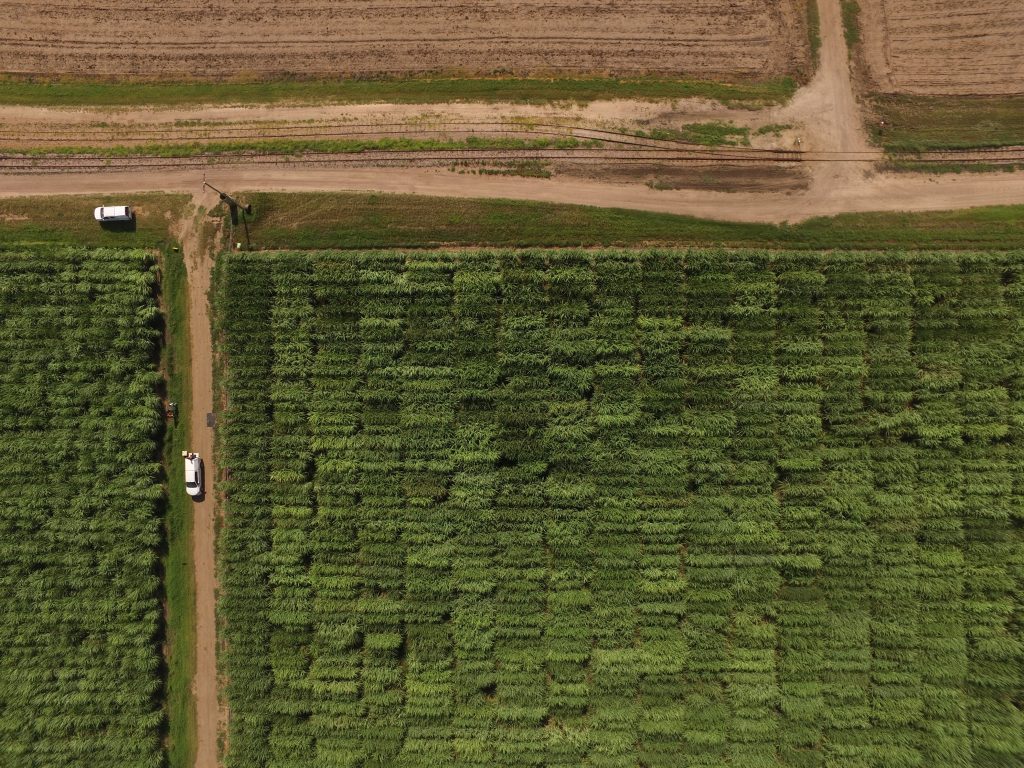
- Data from 134 drone flights across trials run throughout the season have now been analysed.
- New trial design technology is being deployed increases statistical accuracy by incorporating genetic information in the analysis.
- DNA fingerprinting of 1,700 clones has been completed to confirm the variety identity.
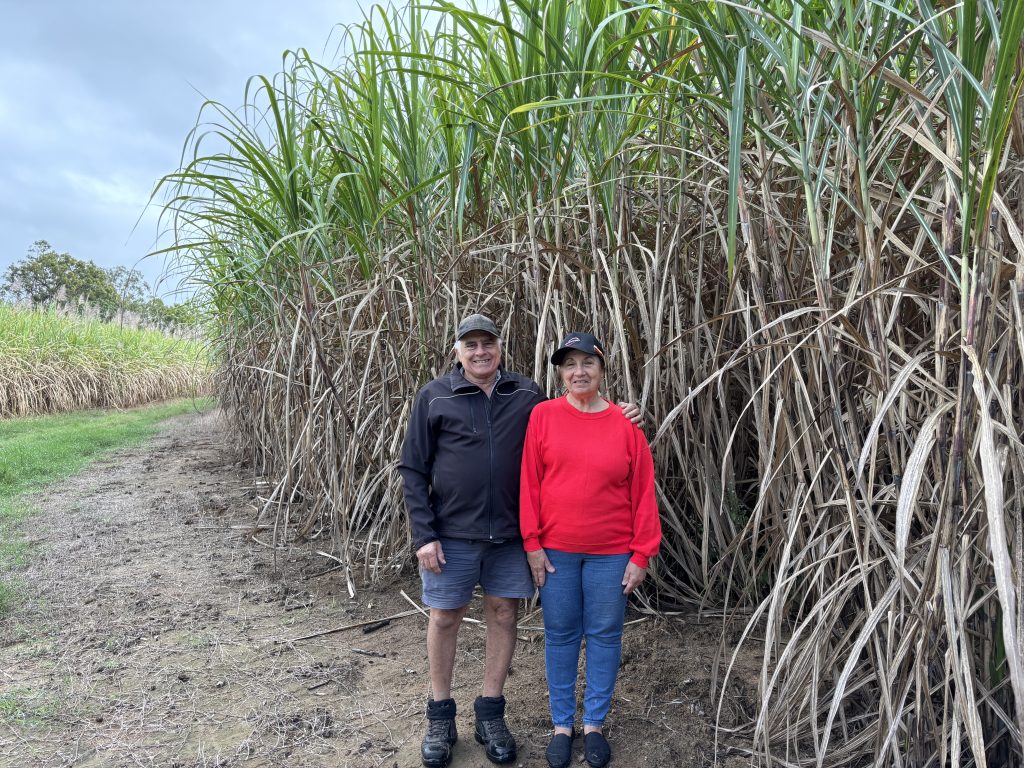
The Manager of Biosecurity and Disease Screening, Dr Shamsul Bhuiyan and Dr Rosewarne recently visited a South Johnstone grower’s farm on the invitation of Canegrowers Innisfail to support assessments of the causes of yield decline in the crop.
“The cane crop had limited root systems and the leaves showed signs of potential herbicide damage, along with silicon deficiency,” Dr Rosewarne said. “Soil and plant samples were taken for detailed pathology testing.”
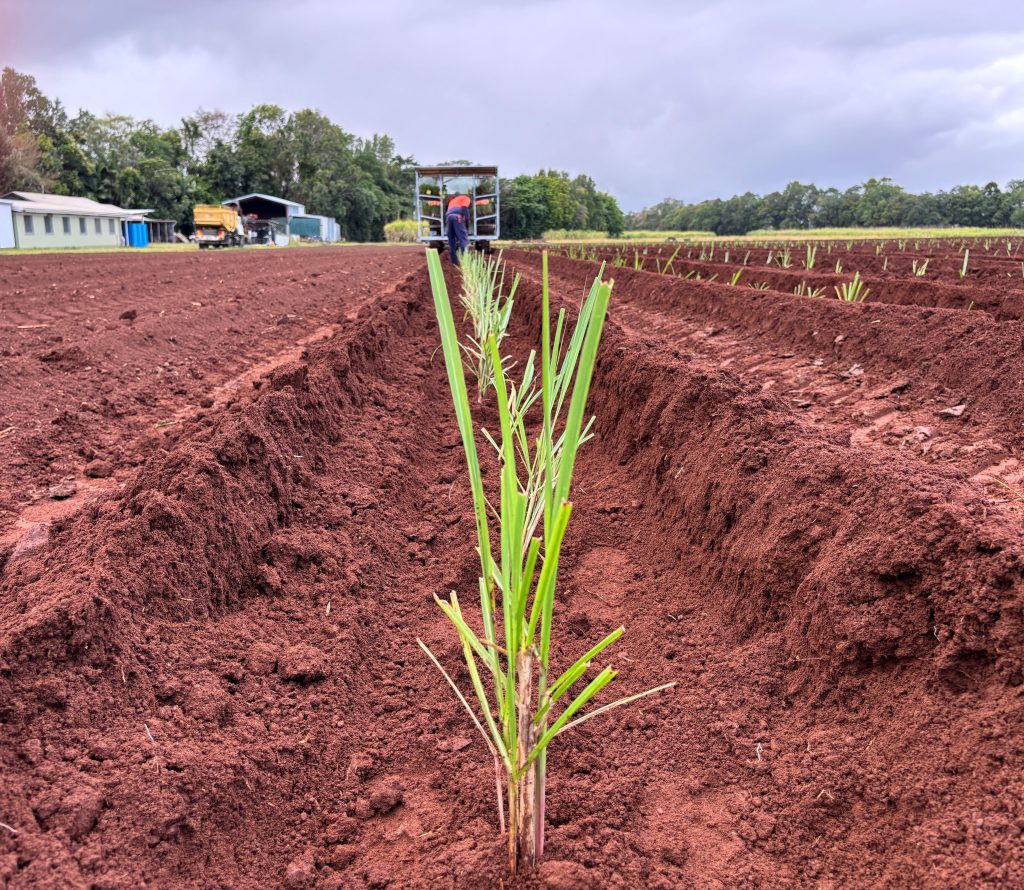
The visit to the region also included a visit to grower, Joe Marano’s farm who grows about 0.2 ha of tissue culture seedlings.
“He has developed a low-cost system to grow out tissue culture plants that we would be keen to replicate as it will complement approved seed distribution processes already in place,” Dr Rosewarne said.
Read more about the future direction of Variety Development in the SRA Strategic Plan 2026-2031