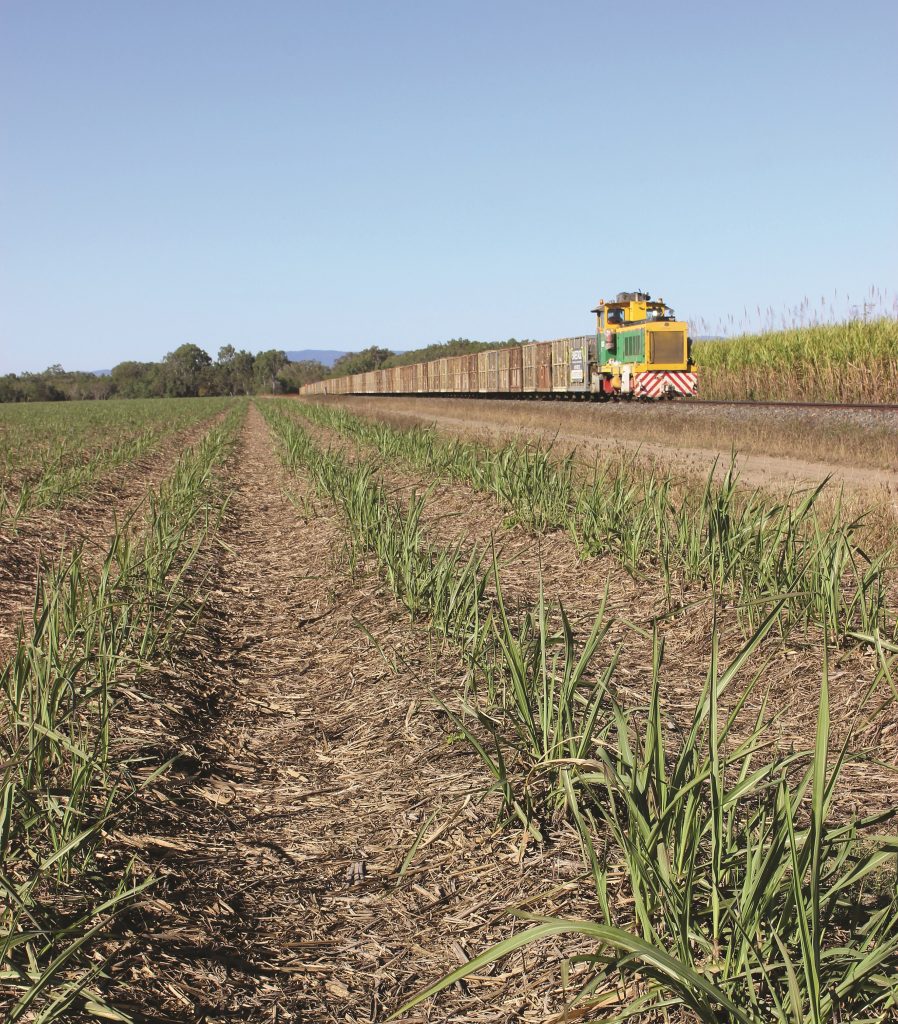
A new cane train simulator developed for the Australian sugar industry is set to strengthen driver training and improve safety across cane rail operations.
Supported by Sugar Research Australia, the project brought together industry expertise to create a practical training tool that exposes cane locomotive drivers to realistic operating conditions before they encounter them in the field.
A reference group including representatives from the Sugar Research Institute, Wilmar Sugar, SRA and QUT helped guide development, with input from milling regions and footage from challenging cane rail sections supplied by Wilmar Sugar, Mackay Sugar, MSF Sugar and Tully Sugar Limited.
The simulator recreates a broad range of cane rail environments, including complex track sections, mill yards, shunting arrangements, different train configurations and changing speed limits. It also models multiple locomotive types and cane bin designs to reflect the variety of conditions drivers face across the industry during a crushing season.
To build safety capability, trainers can introduce faults and hazards during sessions, such as brake and engine issues, whistle faults, hot bearings, wet track, low friction, fog, sun glare, cloud and rain.
This allows drivers to practise recognising risks, responding under pressure and making safe decisions in a controlled environment, helping reduce the likelihood of incidents on the rail network.
A small group has completed two programs of testing over a total of five days, reviewing the simulator system, its operating model and how the track appeared in use. Feedback from the testing phase was used to address defects before the software was finalised.
The first simulator is expected to be introduced in the Herbert district next year, giving the industry a new way to support consistent, high-quality training for cane train drivers.