Two field trials have begun in the Burdekin to assess whether organic amendments can improve sugarcane yields.
Griffith University’s Dr Mehran Rezaei Rashti is leading the project, which is testing whether organic amendments can improve subsoil conditions and therefore increase the productive capacity of the soil.
The project is fully funded by the Department of Primary Industries (DPI) and managed by Sugar Research Australia (SRA). SRA Burdekin District Manager Terry Granshaw and Burdekin Productivity Services (BPS) Manager Rob Milla are close collaborators on this project.
Field trial layout and site selection have been finalised for two Burdekin sites: Jarvisfield (SRA site) and Inkerman (BPS site). Baseline soil samples have been analysed to assess each site’s physical and chemical soil properties.
These properties include soil texture (sand, silt and clay fractions), water-holding capacity, soil pH, cation exchange capacity and electrical conductivity, total carbon and nitrogen, phosphorus, potassium, sodium, soil mineral nitrogen, organic carbon and total extractable nitrogen.
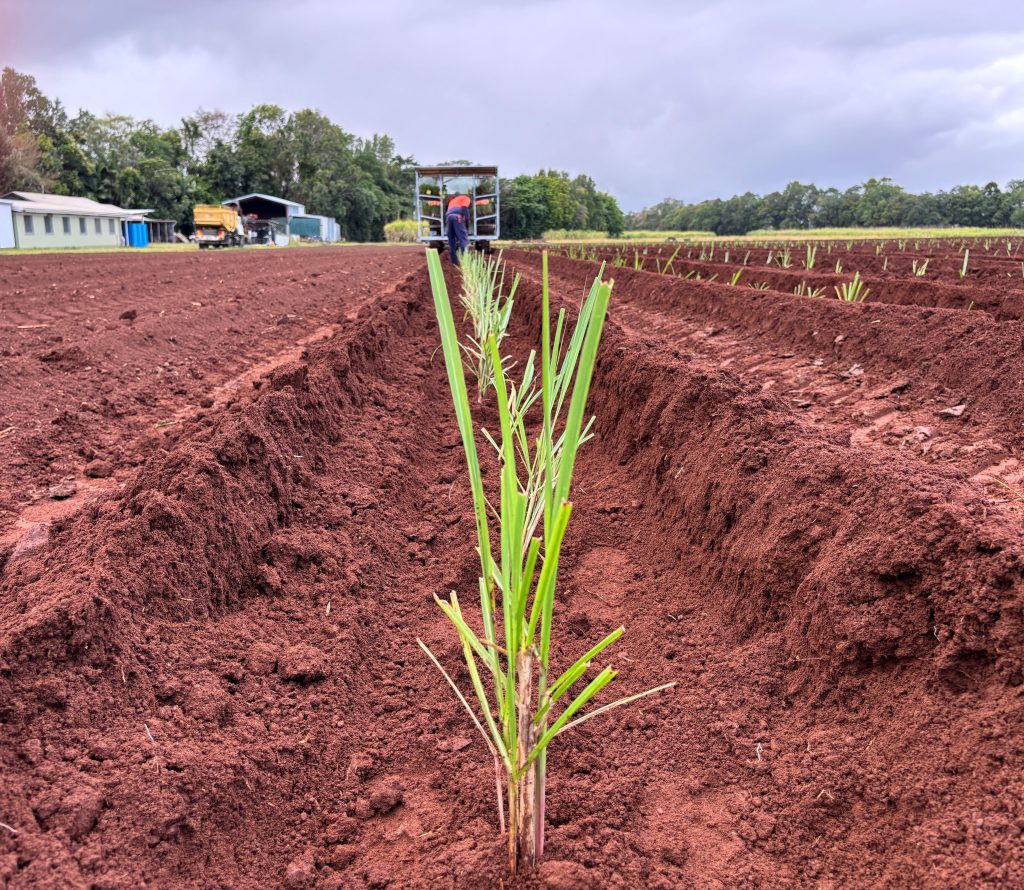
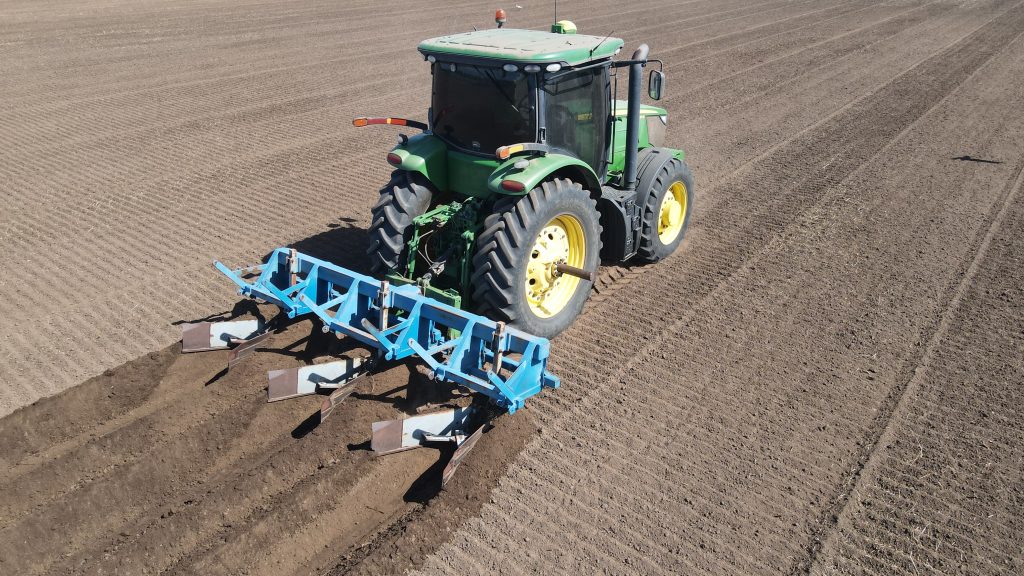
Spreaders were used for controlled, row-based (banded) application of the amendments before the field was bed-formed to about 300 mm. All amendments were incorporated at the base of the beds, within the subsoil–root-zone interface. Treatments included compost, mill mud and ash at Jarvisfield, and biochar, mill mud and green-waste pellets, compost and mill mud at Inkerman. These treatments will be compared with a control with no amendments.
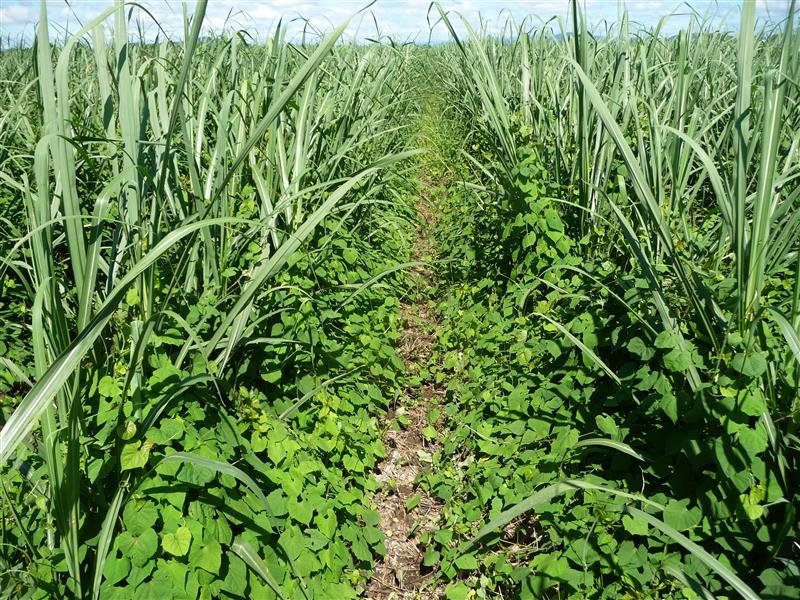
A cowpea cover crop was then established and lightly incorporated. Sugarcane planting is due to start soon.
A postdoctoral researcher will manage the field trials, including laboratory analyses and data interpretation. Recruitment for a Griffith University-funded PhD position is being finalised.
A comprehensive literature review on subsoil constraints, organic amendment options and expected biogeochemical responses has been completed and is expected to be published.
While the findings have not yet been peer-reviewed, the review – which examines two decades of sugarcane productivity and environmental performance research – points to subsoil degradation hampering productivity. The review considered key issues, including declining soil organic matter and inefficient nutrient use driven by compaction, sodicity, acidity and depletion of organic carbon and nitrogen.
Findings indicate subsoil degradation may limit root exploration and growth, water storage and nutrient recovery, potentially leading to substantial carbon and nitrogen losses.
The research suggests growers may be able to manage the physical, chemical and biological aspects of their soil more effectively by using organic amendments such as compost, mill mud, bagasse and biochar to rehabilitate the subsoil. These treatments may improve aggregation, porosity and pH buffering while promoting biological activity for better infiltration, aeration and nutrient uptake.
Growers who are considering organic treatments will be interested in the results of this project. SRA is directly delivering services to the project, which is closely aligned with the sugarcane industry’s needs.
Acknowledgement
This project is fully funded by the Department of Primary Industries and managed by Sugar Research Australia.