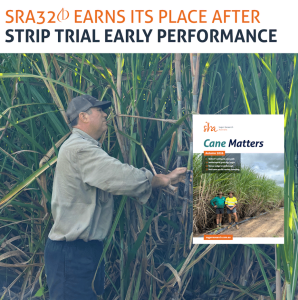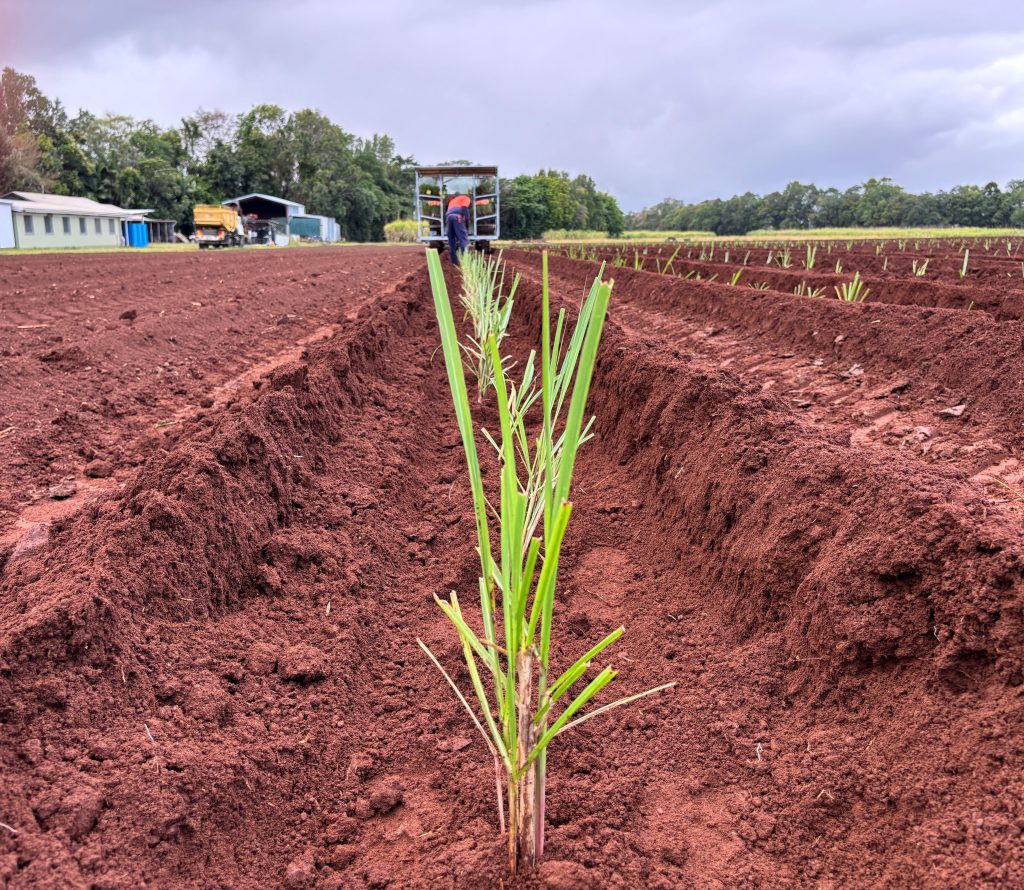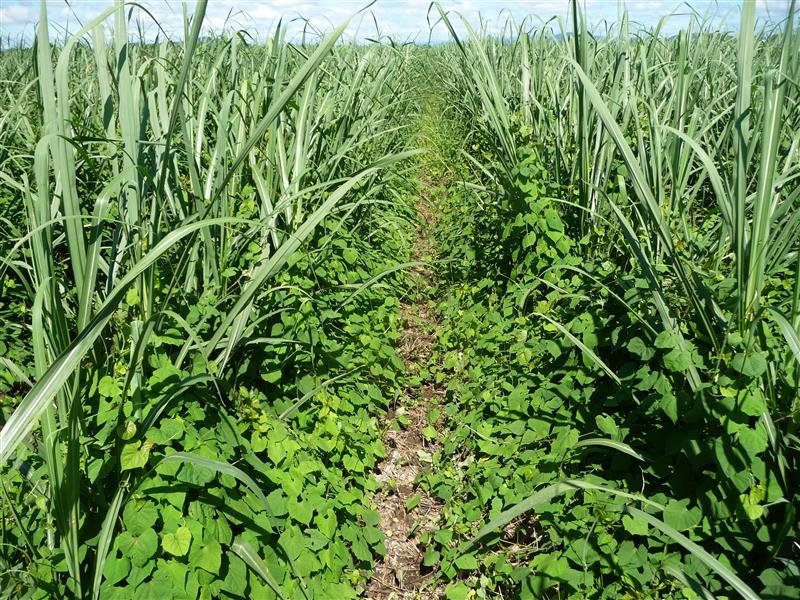

Two new varieties – SRA49 and SRA50 – were approved for release by the Northern Regional Variety Committee (RVC) last week (13 April 2026).
Trial results for both have shown performances higher than commercial standards and competitive with SRA26.
SRA49 is resistant to Pachymetra and has very sparse arrowing, indicating a growth potential throughout the season. The clone has a tendency to lodge, has shown a low percent fibre content similar to Q250, and in germination has a habit to prostrate similar to SRA26.
Trial data for SRA50 indicates a high early CCS potential. It is rated as having intermediate resistance to Pachymetra, heavy arrowing similar to Q208, and suckering similar to Q240 and SRA28.
Trial data from 2022, 2023 and 2024 showed similar responses with both clones, where they consistently outperformed the average of the standards in numerous trials. Depending on the year, both clones yielded between 6 to 22 tonnes of cane per hectare more than Q208 and were typically on par or slightly higher yielding than SRA26.
Both clones gave between 0.3 and 0.9 more units than Q208, on par with CCS observed in SRA26, with QN14-616 usually giving slightly higher sugar than QN14-1134. Both clones performed best in trials in the Tully and Mulgrave mill areas, where they clearly outperformed both SRA26 and Q208.
Disease resistance ratings of both varieties:
- SRA49 – Smut (Intermediate), Pachymetra (Intermediate) and Leaf Scald (Resistant)
- SRA50 – Smut (Intermediate), Pachymetra (Resistant) and Leaf Scald (Resistant)
Northern growers interested in the two new clones should contact their local cane productivity service.
Almost every cane growing district has now held their annual RVCs for 2026. The only remaining is Herbert, which is scheduled for 29 April.