Plant‑parasitic nematodes are a major problem in sugarcane and cost the Australian industry more than $80 million each year. Options to manage these pests are so far limited. However, research in several other crops has shown the legume cover crop, sunn hemp, can suppress nematodes by releasing natural compounds and improving soil health.
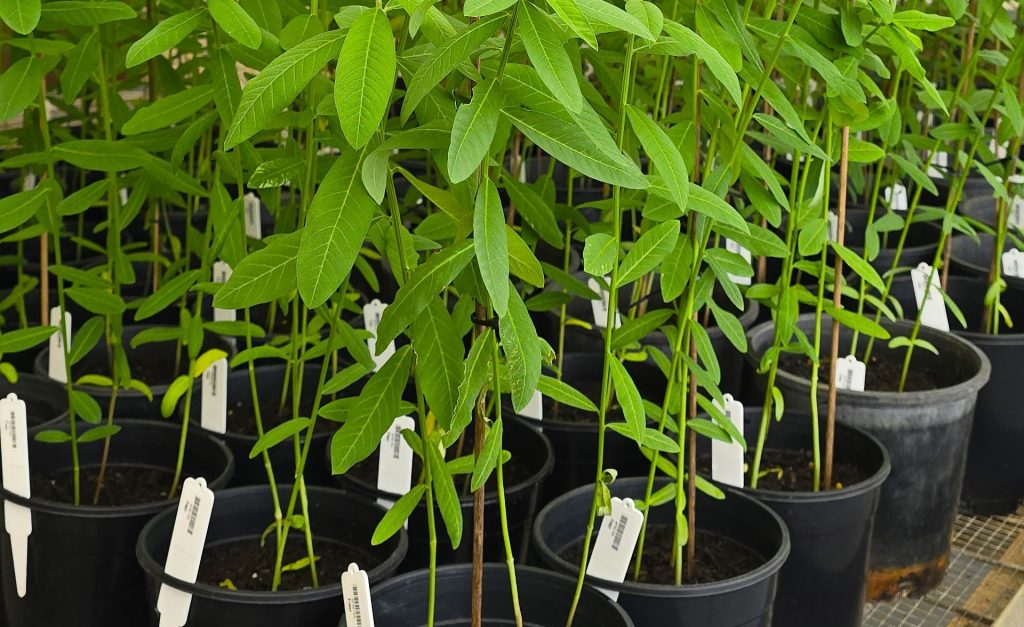
A study was undertaken by SRA’s Pathology Research Station at Woodford, testing two sunn hemp varieties, Crescent Sunn and Freyr, under glasshouse conditions. Soil that had grown sunn hemp, with and without added plant residues, was compared with untreated soil. Sugarcane plants were grown in pots and infected with either root‑lesion or root‑knot nematodes.
Key results
- Untreated soil had very high nematode levels.
- All sunn hemp treatments greatly reduced nematodes in both trials.
- Nematode numbers dropped to very low levels when sunn hemp was used.
- Sugarcane plants grown in sunn hemp soil had better shoot growth than plants grown in untreated soil.
- The Freyr variety generally gave stronger nematode suppression than Crescent Sunn.
Strong potential for Freyr
Sunn hemp shows strong potential as a cover crop to help manage nematodes in sugarcane farming. Both Crescent Sunn and Freyr were effective in glasshouse trials, with Freyr performing slightly better.
More research is needed to:
- Confirm results under field conditions
- Understand impacts on beneficial soil nematodes
- Measure how long the nematode‑suppressing effect lasts in the soil
- Incorporate sunn hemp into an integrated development strategy for effective nematode management in sugarcane systems.