

The information sheets below have more detailed information on the sugarcane industry’s response to fall armyworm.
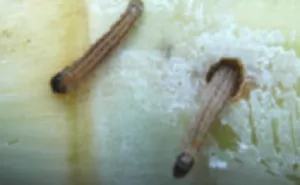
Fall armyworm (Spodoptera frugiperda) is now considered established in Australia. It has been detected by Biosecurity Queensland at several sites on mainland Australia including the Northern Territory, Western Australia, New South Wales and recently in Victoria. Fall armyworm has been confirmed in sugarcane on the Atherton Tablelands region, on cane bordering heavily infested maize crops.
SRA and industry partners have worked with the Australian Pesticides and Veterinary Medicines Authority (APVMA) on an emergency use permit for Permethrin to control fall armyworm. This permit allows a person to use the product in the manner specified in this permit in Queensland and New South Wales. The APVMA also advises that trichlorfon and chlorpyrifos can also be used against FAW in sugarcane (where the product states use against ‘armyworms’ but doesn’t specify species). These chemicals require careful and considered use, given their environmental risk.
Correct identification of the insect is very important. Overuse (or use when not required) of this type of product could potentially lead to insecticide resistance and impact natural enemies or beneficial insects.
Information sheets for Fall Armyworm:
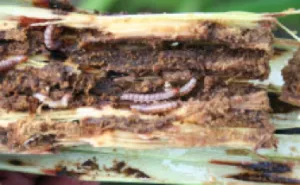
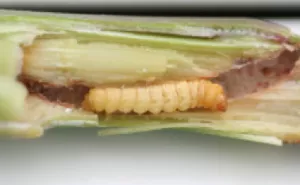
Information sheet for Large moth borer.
Any sightings of locusts and nymphs in Queensland should be reported through the Department of Primary Industries. See below:
Report sightings
• Call 13 25 23 (Biosecurity Queensland)
• Complete the online form
• Report online or offline through Survey123
• Email: locustreports@dpi.qld.gov.au
Information sheets for Planthopper.
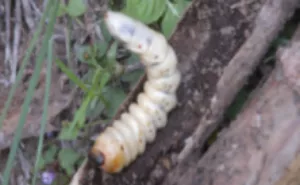
Information sheets for Termites
Information Sheets for Weevils
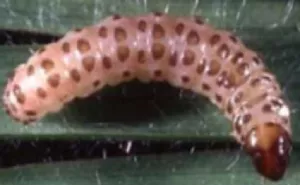
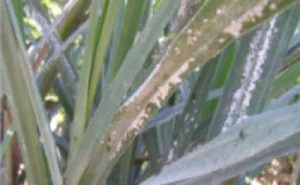
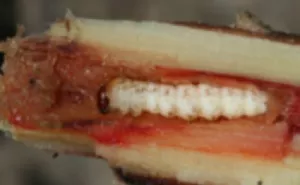
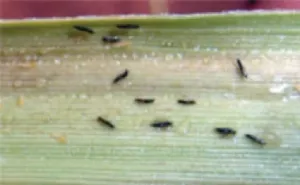
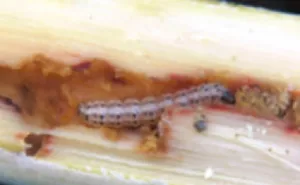
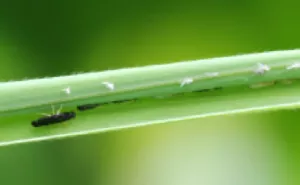

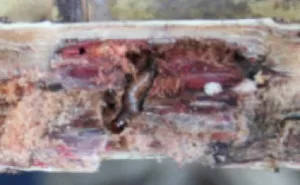
If you suspect that you have seen any exotic pests or diseases, contact your local productivity services group or the Exotic Plant Pest Hotline on 1800 084 881. The hotline is staffed during normal working days and business hours. View the exotic pests and exotic diseases web pages for photos of the species to be aware of.