
On-farm nutrient management has a key role in farm and industry sustainability and in minimising off-site impacts.
The SIX EASY STEPS® nutrient management program is the foundation of the Australian sugar industry’s nutrient and fertiliser guidelines. View the Australian Sugarcane Nutrition Manual.
SIX EASY STEPS® Online Nutrient Management Program
SRA’s Online Sugarcane Nutrient Management training course is based on the SIX EASY STEPS® workshops and has been developed for sugarcane growers who want to refresh or up-skill their knowledge of nutrient management for sustainable sugarcane production. Australian sugarcane growers can get started now with this free online training. Register here
As the lead R,D&E agency for the Australian sugarcane industry, Sugar Research Australia (SRA) plays a pivotal role investing in and researching activities related to fertiliser use and other nutrient management issues that interact between farming systems and water quality.
SRA provides robust and independent research in this field and assists our industry investors to optimise productivity and profitability while also moving towards meeting water quality targets.
The SIX EASY STEPS nutrient management program is a comprehensive, integrated and science-based nutrient management program that is recognised by industry and government as nutrient best practice. The SIX EASY STEPS nutrient management program recognises the range of districts, soil types and soil properties within the sugar industry, while promoting balanced nutrition and sustainability.
Adopting soil-specific fertiliser recommendations will enable you to take a distinct step forward. Appropriate nutrient management should be based on knowledge of soils and nutrient processes that occur in soils found on your farm.
This fundamental understanding should be used in conjunction with soil testing to determine the nutrients required, appropriate fertiliser product/s and fertiliser rates to be applied to deliver benefits in terms of productivity, profitability and environmental responsibility.
Over the past few years, substantial advances have been made in developing a set of nutrient management guidelines that will be appropriate for use within the SIX EASY STEPS nutrient management program.
These guidelines ensure that nutrient inputs are balanced. It is essential that nutrient inputs are managed properly.
This is especially true during periods of low sugar prices or when adverse conditions exist in our industry. In such circumstances, guessing or using ‘blanket’ applications is not appropriate. It is far better to use the SIX EASY STEPS nutrient guidelines in combination with on-farm experience and good advice from a trusted advisor to make informed decisions about fertiliser applications.
The SIX EASY STEPS to improved nutrient management
- Knowing and understanding our soils
- Understanding and managing nutrient processes and losses
- Soil testing regularly
- Adopting soil specific fertiliser recommendations
- Checking on the adequacy of fertiliser inputs
- Keeping good records and modifying nutrient inputs when and where necessary
Using the SIX EASY STEPS to improve on-farm nutrient management is your best bet. This means working through each of the six steps in a logical way and using your knowledge and experience of soils and nutrients for your own farm. Using the SIX EASY STEPS is logical and simple, but it requires commitment to be successful.
The concept of SIX EASY STEPS means combining a number of possible actions to ensure sustainable nutrient usage on the farm. This combination forms a ‘whole system’ approach to nutrient management.
STEPS 1 & 2
Knowing and understanding your soils and understanding and managing nutrient processes and losses
An understanding of soils and their nutrient processes is the basis on which many management decisions are made on-farm.
Soils do behave differently, and this can be for a range of reasons. For example, formation from different parent materials, differing soil textures, position within the landscape and climatic conditions. Each of these different properties can influence the physical and chemical characteristics of a soil.
By understanding these soil properties, appropriate management strategies can be implemented to achieve profitable and sustainable sugarcane production, while reducing off-site affects.
STEP 3
Soil testing regularly
Soil sampling is the foundation that all nutrient management programs are built upon.
Soil sampling should be done prior to planting, preferably straight after the harvest of the final ratoon.
Soil reports contain information on the physical and chemical properties of a soil. They can also identify nutrient imbalances and deficiencies. This information can then be used to develop a nutrient management plan for that block or soil type for use over a crop cycle.
STEP 4
Adopting soil-specific nutrient management guidelines
Adopting soil-specific fertiliser recommendations will enable you to take a distinct step forward. Appropriate nutrient management should be based on knowledge of soils and nutrient processes that occur in soils.
This fundamental understanding should be used in conjunction with soil testing to determine the appropriate amounts of nutrients that should be applied to deliver benefits in terms of productivity, profitability and environmental responsibility.
SIX EASY STEPS Nutrient Guidelines
STEPS 5 & 6
Checking on the adequacy of nutrient inputs and keeping good records to interpret trends and modify nutrient inputs
Nutrient management is not a process of applying fertiliser and walking away until next year. Reviewing fertiliser applications and production should form an ongoing part of all nutrient management programs. In order to review and check on the adequacy of nutrient inputs, keeping records is a must.
There are a number of tools and strategies available to assist in this review process. These tools provide guidance for specific circumstances, help with choosing the most appropriate fertilisers to meet crop requirements, on-farm trials and more.
Tools within the SIX EASY STEPS Toolbox are designed to assist in the development of farm nutrient management plans and can allow for specific circumstances.

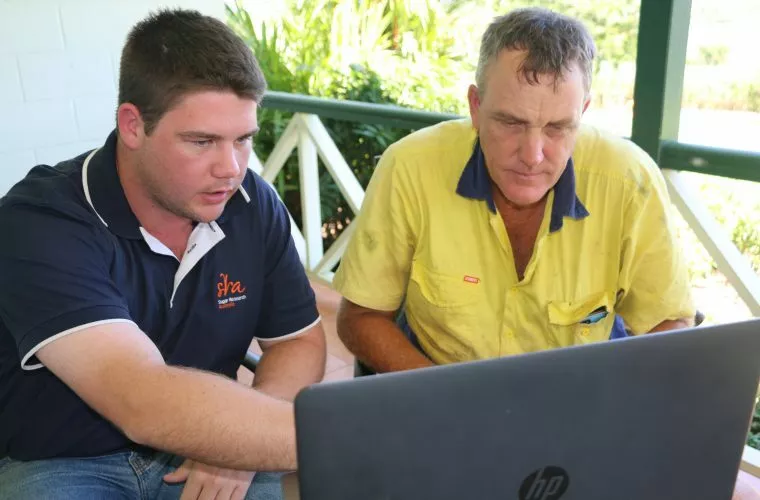
Field Tools

Leaf Testing
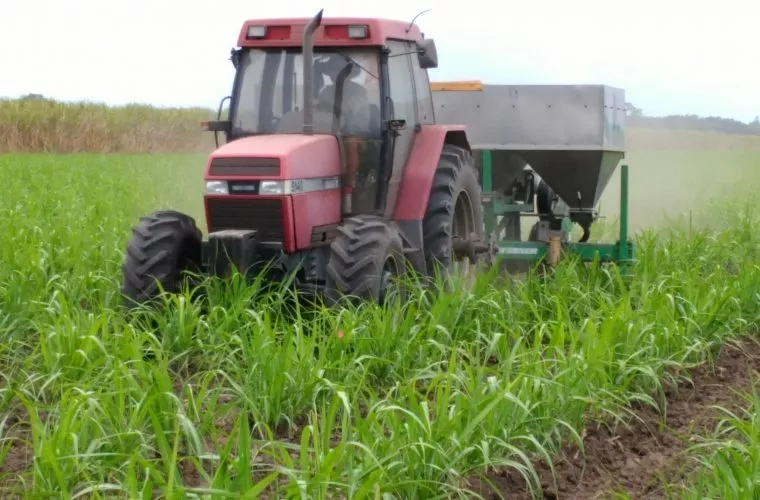
Refining nutrients for specific circumstances
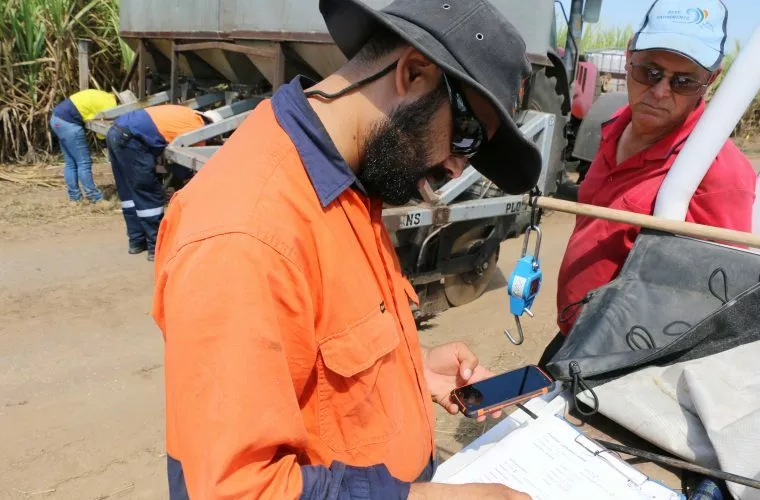
On-farm evaluation of new management practices
SIX EASY STEPS Advisory Committee (SESAC)
To maintain the integrity of the SIX EASY STEPS nutrient management program, a committee (SESAC) has been established to assess and review any future developments that may form part of, add to or modify the SIX EASY STEPS program. This group ensures any changes are based on good science and bring value to the program.
The SESAC has been developed as a mechanism for assessing additions and modifications to the content of the SIX EASY STEPS program and linkages to the SIX EASY STEPS principles.
The SESAC is comprised of members from research organisations, milling representatives, extension representatives, government and grower representatives with an independent convenor.
The SESAC will ensure that meaningful and scientifically sound additions are made to the SIX EASY STEPS program and SIX EASY STEPS TOOLBOX. This means that stakeholders can have confidence in the SIX EASY STEPS ‘tools’ they choose, use and/or promote for specific on-farm circumstances.