When a cane block underperforms year after year, the cause is not always what it first seems. Thanks to work with growers participating in the Burnett Mary Agricultural Project (BMAP) in the Southern Region, SRA has developed a structured and consistent approach to constraint analysis in sugarcane farming.
This practical resource is designed for extension staff, productivity services and growers who want a framework for working through the analysis of poor-performing cane blocks. It is intended to develop more focused conversation in the paddock, increased use of available evidence and more confidence that recommendations for management are addressing the real constraint rather than the most visible symptom.
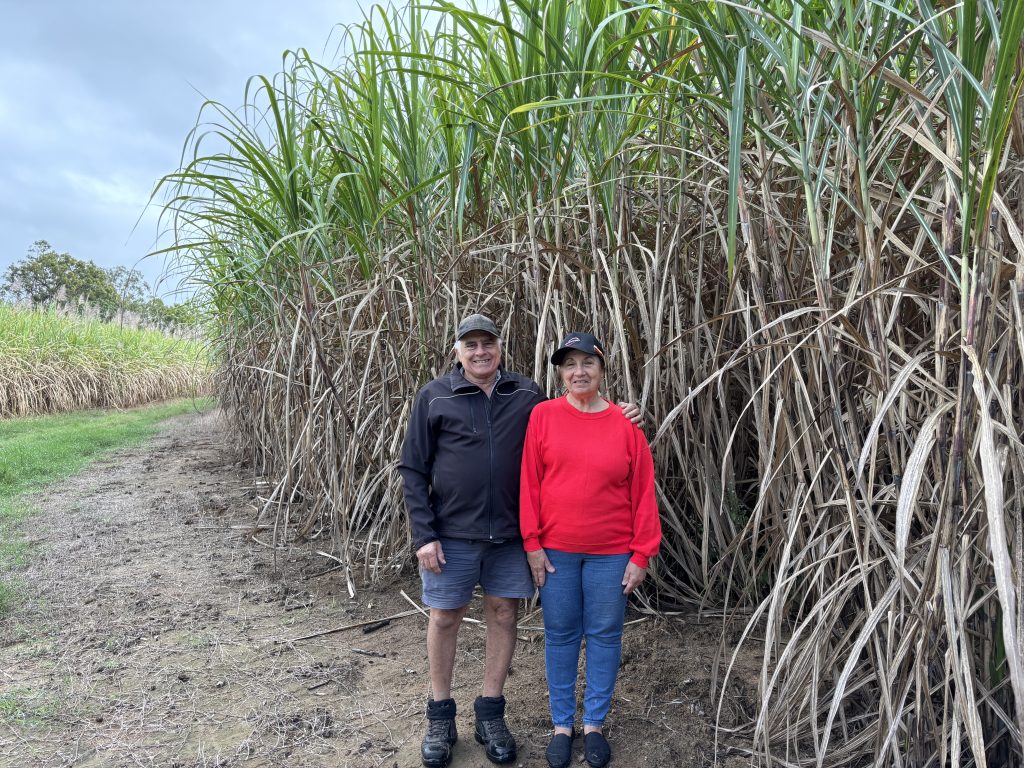
Two BMAP growers worked with SRA and local productivity staff to investigate long-standing productivity issues in their paddocks.
“When a block has been struggling for years, most growers can usually point to what they believe is the culprit,” SRA Agronomist Hector Fleury said. “But as this case study shows, the real constraint is not always the first one suspected.”
Through the Burnett Mary Agronomy Project (BMAP) which winds up in August, SRA and the participating growers took a closer look at underperforming paddocks using a more structured approach — combining paddock observations, grower knowledge, diagnostic testing and environmental history.
“Being out in the field and walking these blocks with growers is where the real story starts to emerge. What looks like a nutrient issue at first glance can turn out to be something quite different once you look at the paddock history, the season and the test results together.”
— Hector Fleury, SRA Agronomist
Kepler Atkinson: when salinity is part of a bigger story
In Kepler Atkinson’s case, concern centred on a paddock where cane production had faltered for years, with some areas producing little to no yield. Salinity was strongly suspected, and the visible symptoms appeared to support that view.
Further investigation showed that salinity was part of a broader constraint. Soil testing across different parts of the paddock, together with historical results from the same areas, confirmed that one of the poorest sections had consistently high salinity. That area also had Turpin soil, pointing to a combined drainage, salinity and sodicity problem. Improved drainage was recommended as the main strategy to manage this problem. This interpretation was reinforced by a similar BMAP case in the Isis region on the same soil type, where drainage was also identified as the key intervention.
By working through the block history, soil test results, input records, seasonal conditions and Normalised Difference Vegetation Index (NDVI) imagery over time, the investigation pointed more clearly to poor drainage and rising water tables as the driver of salt build-up in the root zone. The grower’s own records were particularly important, showing that the area had been much less problematic in drier years.
“Once wetter seasons set in, the problem became more severe, with affected pockets becoming increasingly obvious as waterlogging and shallow saline water tables constrained root development and crop growth,” Hector said.
“Subsurface drainage was implemented as the preferred management response. Early results were encouraging, with a clear improvement in crop evenness and performance, supporting the conclusion that drainage was the key step to reduce the salinity constraint.”
Kepler installed a subsurface pipe drainage system within the pivot area to reduce waterlogging in the sodic/saline section of the paddock. A backhoe trench was opened to approximately 600–700 mm depth, and around 300 m of slotted/socked corrugated agricultural drainage pipe, commonly referred to as ag-pipe or Draincoil, was installed.
The pipe was positioned across the slope to work as an interceptor drain, capturing excess subsurface water moving from the higher part of the pivot. This helps redirect the water away from the affected section instead of allowing it to continue spreading through the lower parts of the paddock.
Robin Wade: looking beyond the obvious
For Robin Wade, the issue was a block already known to have productivity problems.
“Early discussion pointed to a possible calcium or silicon deficiency, with poor drainage also on the radar,” Hector said.
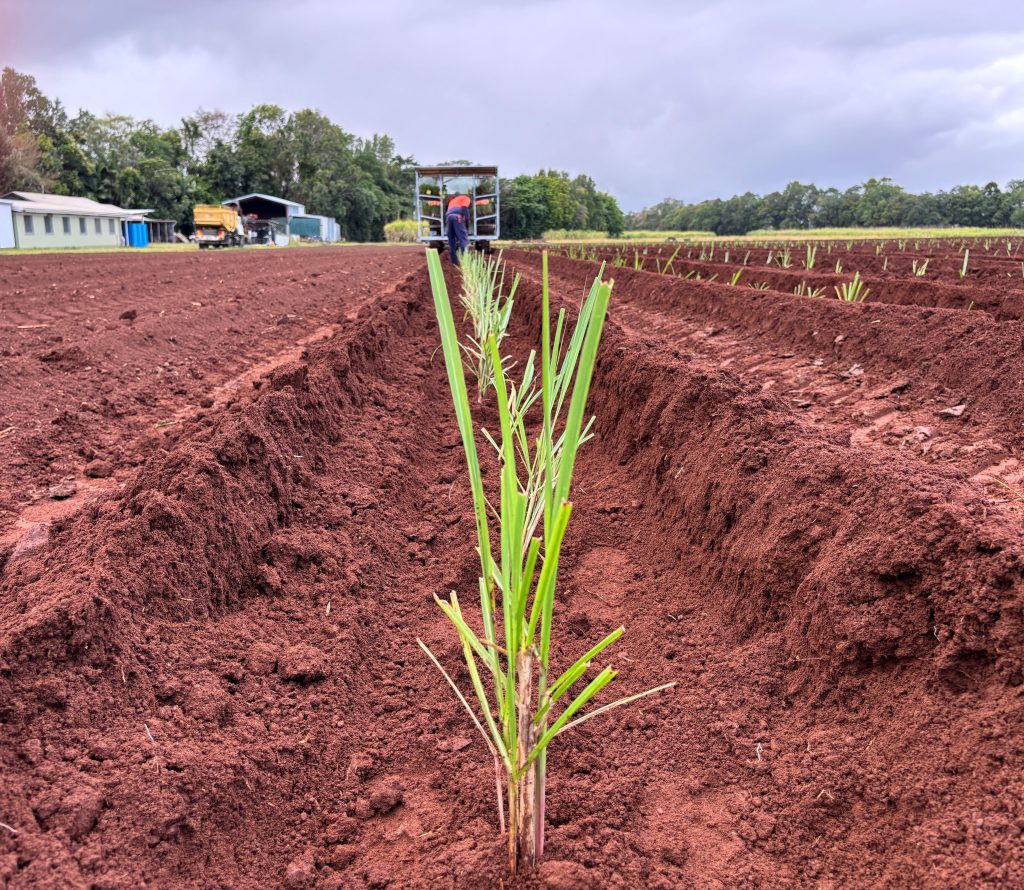
“Trial strips were established using gypsum in some areas and gypsum plus calcium silicate in others. Over time, both treatments improved crop evenness, showing that lifting calcium levels was beneficial in this paddock,” he said.
“However, there was no clear extra benefit from calcium silicate compared with gypsum alone.
“Field observations, NDVI imagery and follow-up monitoring also showed that the main drainage line continued to limit performance, with wetter, waterlogged sections still clearly standing out.
“The work helped rule out the idea that the problem was simply a calcium or silicon issue on its own and reinforced a practical point for growers: improving calcium status can help, but where drainage remains the main constraint, nutrient amendments alone will not solve the problem.”
The shared lesson
In both cases, the lesson was the same: symptoms alone did not tell the full story. A more disciplined process helped avoid jumping to conclusions and gave the grower greater confidence in selecting the right management response.
That experience has helped inform SRA’s new Guidelines for Constraint Analysis in Sugarcane, developed for the Southern District through BMAP to support a more consistent and evidence-based way of working through poor-performing cane blocks.
“These case studies helped show why it is worth documenting the process properly. We wanted to capture a more consistent way of working through constraint analysis so extension staff and growers can build the evidence, test assumptions and have more confidence in the management response.”
— Lisa Devereaux, Southern District Manager
The guidelines encourage extension staff and growers to bring together four key sources of information: what can be seen in the paddock, what the grower knows about the block, what testing confirms, and what seasonal or environmental history reveals.
Used together, these information sources can help identify the real productivity constraint, improve confidence in recommendations, and support better decisions about where to invest time and money.
Read more: A Summary of the Guidelines for Constraint Analysis in Sugarcane
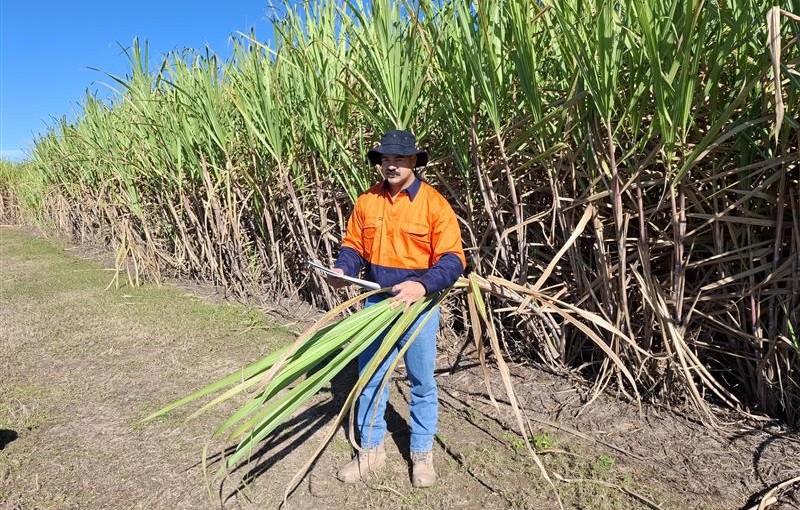
(Above): SRA Agronomist Hector Fleury has worked with growers who participated in the Burnett Mary Agronomy Project (BMAP) to uncover leading constraints to sugarcane production in their fields. Together with SRA District Manager Southern, Lisa Devereaux, he developed Guidelines for Constraint Analysis in Sugarcane which outline a practical four-part approach using paddock observations, grower input, diagnostic testing and environmental analysis to get at the real reason for poor performance in the paddock.
Acknowledgement
Project 2022/802: The Burnett Mary Agronomy Project (BMAP) delivered by Sugar Research Australia (SRA) is part of the $4.38 million Sugarcane Practice Change Program funded through the Queensland Government’s Queensland Reef Water Quality Program. The project is expected to finish by the end of August this year, however, key learnings will continue to be part of the service offered by SRA Agronomist, Hector Fleury for growers in the Southern Region.