
Having been in the job for three months now, SRA’s General Manager Variety Development, Garry Rosewarne, says he’s starting to get his head around the complexities of breeding sugar cane. Despite the constraints that make variety development particularly challenging, Garry believes that SRA’s program has done an amazing job in generating genetic gain.
From Garry’s perspective, the multiple aspects contributing to the challenging nature of sugar cane breeding include:
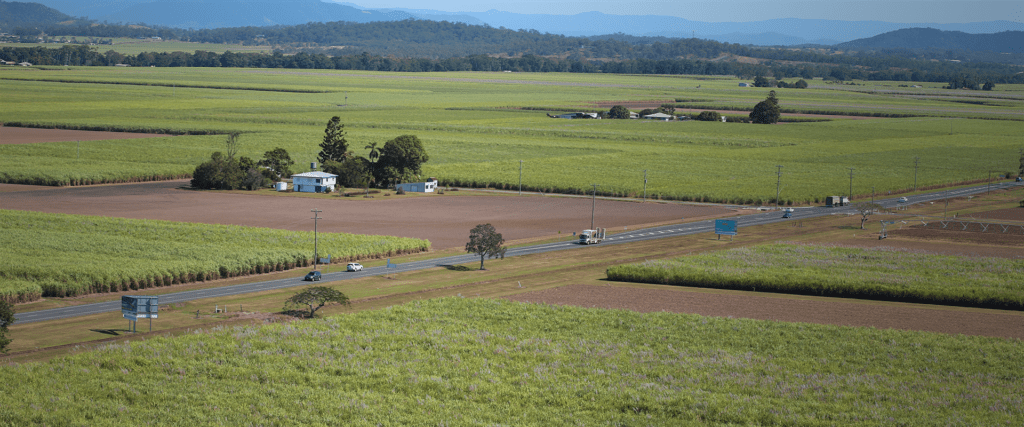
- The sheer size of the crop makes any sowing, harvesting, in season crop management and note taking particularly difficult.
- Ratooning significantly lengthens the breeding cycle, where it takes three years to get data that small grain crops such as wheat, get in seven months.
- There are a high number of traits to breed for, and each time another trait is introduced into the breeding program, it slows progress on all other traits.
- Three major disease incursions over the past 25 years (orange rust, smut and Pachymetra) has significantly slowed genetic gain for yield while the breeding program had to focus on breeding and maintaining resistance.
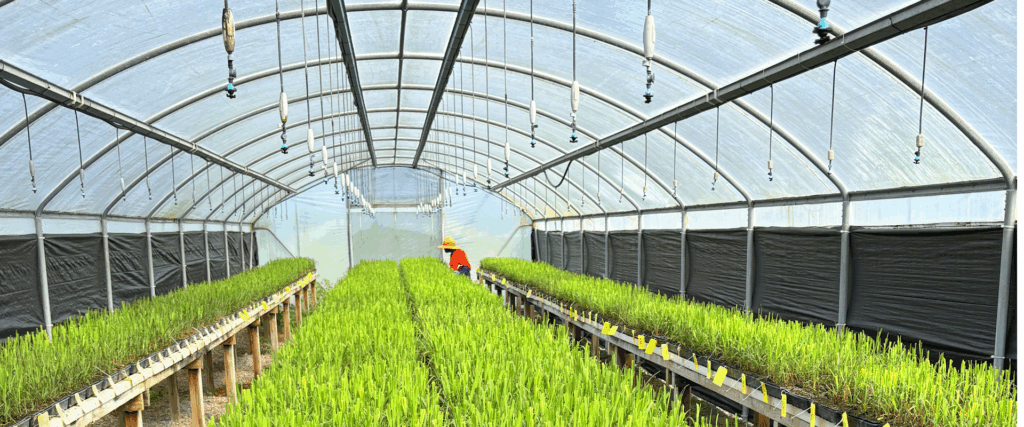
- Diseases create another issue, with all cane going into trials having to be long cold soak, hot water treated, along with generating clean seed production plots between the different stages in the breeding program. Other crops such as cereals and pulses only require a simple seed dressing, either powder or liquid, that can be applied at sowing.
- Cane multiplication rates are very low compared to other crops. A 10x rate in cane compares to 20-40x in pulses, 50-80x in cereals and over 100x in canola. This not only restricts genetic gain in the breeding program, but also how soon SRA can get new varieties to growers, and ultimately, growers’ profitability.
- Complex genetic architecture also holds us back with a large genome and a large number of chromosomes that are not constant.
According to Garry, both breeding program data and mill data indicate that genetic gain has increased at 1.5% per year in recent times. On top of this, defensive breeding strategies for multiple diseases has a significant financial contribution to genetic gain.
“For example, year on year yield increases of 1.5% for 10 years would equate to a production increase of $243 million annually,” Garry said. “However, breeding varieties resistant to orange rust, smut and Pachymetra save the industry well over $1 billion annually.
“Without this defensive breeding, yields would be similar to those observed in developing countries of 30 tonnes of cane per hectare. Clearly, we would struggle to have an industry with those sorts of yields.
“The Australian sugar cane industry is looked upon as one of the global leaders in sugar cane breeding and research. This is despite it only contributing less than 2% of global production. Clearly, we punch well above our weight and are the envy of many sugar growing regions around the world.”