Growers often need to apply phosphorus (P) fertiliser as part of their nutrient management program. It is an expensive input but beneficial in promoting early root formation and growth; it’s also important for spindle development and tillering, and essential for crop maturation.
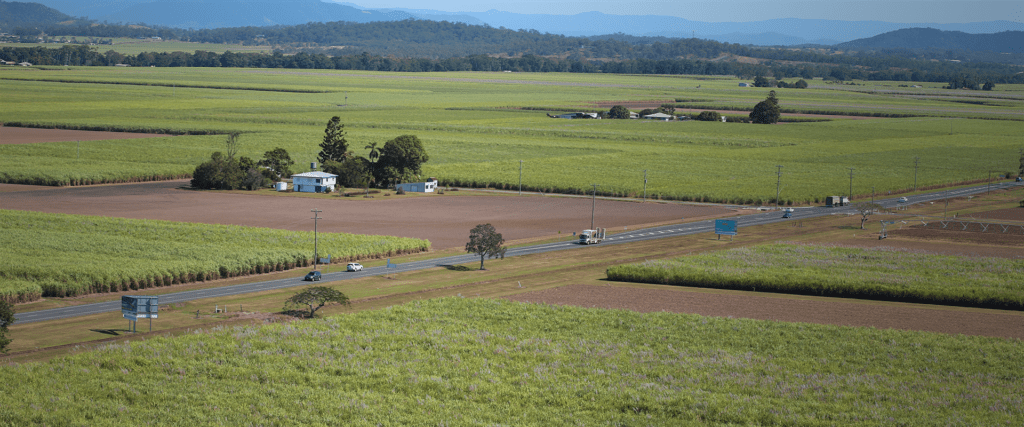
To ensure growers are getting the best advice where their soils are alkaline, a six-month biomass sampling event took place at the end of January on a trial site in the Burdekin River Irrigation Area (BRIA) as part of a project to understand phosphorus (P) requirements for sugarcane crops growing in these soils.
The BSES P soil test is typically used to determine the amount of P in the soil. However, there are concerns it may overestimate the amount of P in alkaline soils which are commonly found in the Burdekin region. It has been suggested that other soil tests (such as the Colwell P) may provide a better estimate of soil P in these soils.
The project Understanding phosphorus requirements for sugarcane crops growing in alkaline soils, funded by SRA and delivered in collaboration with Burdekin Productivity Services and Wilmar Sugar, is investigating this concern.
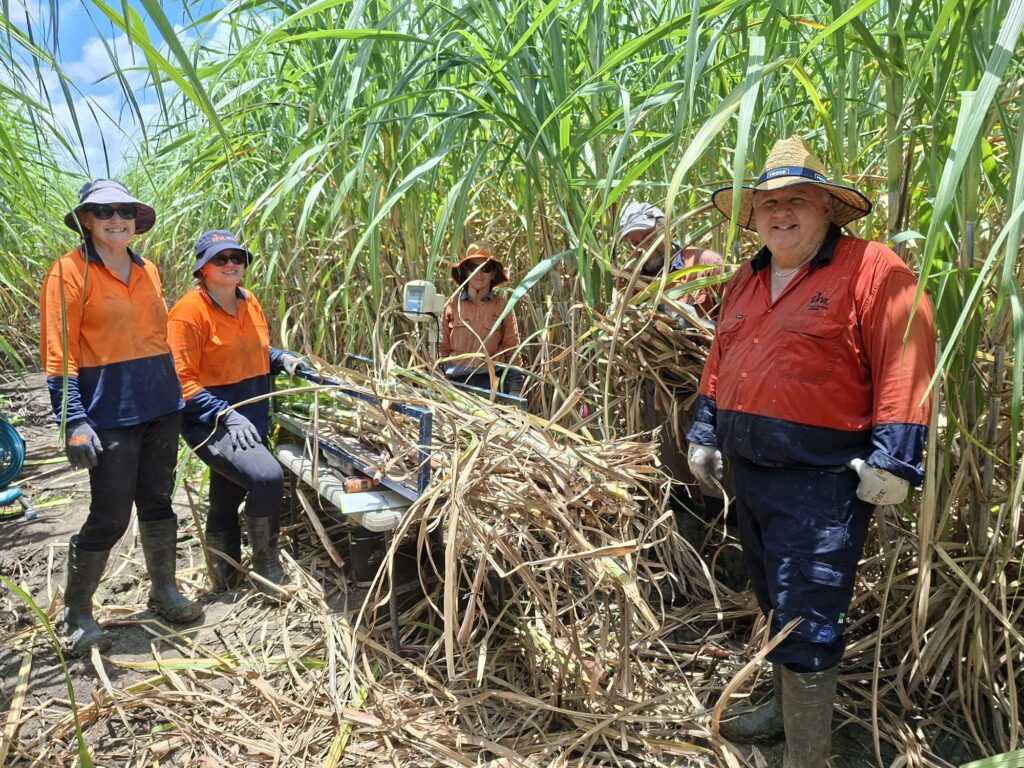
The six-month biomass sampling event was conducted over two consecutive days of hot humid weather. Hard-working teams successfully sampled 48 trial plots where four different rates of phosphorus (0, 20, 40 and 60 kg P/ha) had been applied in a split-plot trial design to both the plant and now first ratoon crops (resulting in 16 different fertiliser P rate combinations).
These results will complement another first ratoon field trial on a site in the Burdekin Delta and a third ratoon trial site in the BRIA.
To analyse the crop’s response to the fertiliser P treatments, 20 whole stalks were cut per plot. These stalks were then weighed and separated into their different plant components – cabbage, green leaf and stalks.
Individual crop components were then weighed to determine the amount of fresh biomass.
An additional six whole stalks were then cut from each plot. Once again, these stalks were separated into their different plant components and then mulched. A subsample was then collected and weighed before being dried in an oven to determine moisture content and dry matter. The dry samples are then analysed for P concentration at the laboratory.
Dr Skocaj thanked BPS staff, trial site grower collaborators and SRA staff for their contribution to this activity.
“This project will improve the understanding of which soil tests provide the best measure of plant available phosphorus, together with the amount of fertiliser phosphorus which is being recovered by the crop and phosphorus fertiliser requirements for alkaline soils,” Dr Skocaj said.
“The biomass sampling results from this activity will be incorporated into the project’s next milestone report due in June this year.
“Preliminary project outcomes will be communicated following the submission of this next milestone report.”
The overall aim of this project is to ensure the P fertiliser guidelines within the SIX EASY STEPS® nutrient management program are robust for crops growing on alkaline soils.
The project is managed by SRA’s Principal Agronomist Dr Danielle Skocaj and conducted in collaboration with Burdekin Productivity Services and Wilmar Sugar.