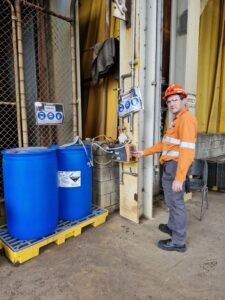
An SRA-funded Small Milling Project which tackles a challenge Australian sugar mills face in improving energy efficiency in order to future proof their global competitiveness in the coming net zero economy. To achieve high levels of efficiency when using steam to power the mill, one method is to bleed extensive vapour from the four to six stages – or ‘effects’ – of juice boiling in the evaporator stations.
The vapour can be used to heat cane juice during the clarification stage, preheat the juice feeding the evaporator set and supply heat to the pans for sugar boiling. This reduces the overall demand for fresh steam from the boiler, improving the whole process’s energy efficiency. However, exposing the juice to higher temperatures at the front end of the evaporator set can increase the level of sucrose degradation – called sucrose inversion losses – characterised by low juice pH. It also contributes to corrosion rates of the piping, valves and fittings.
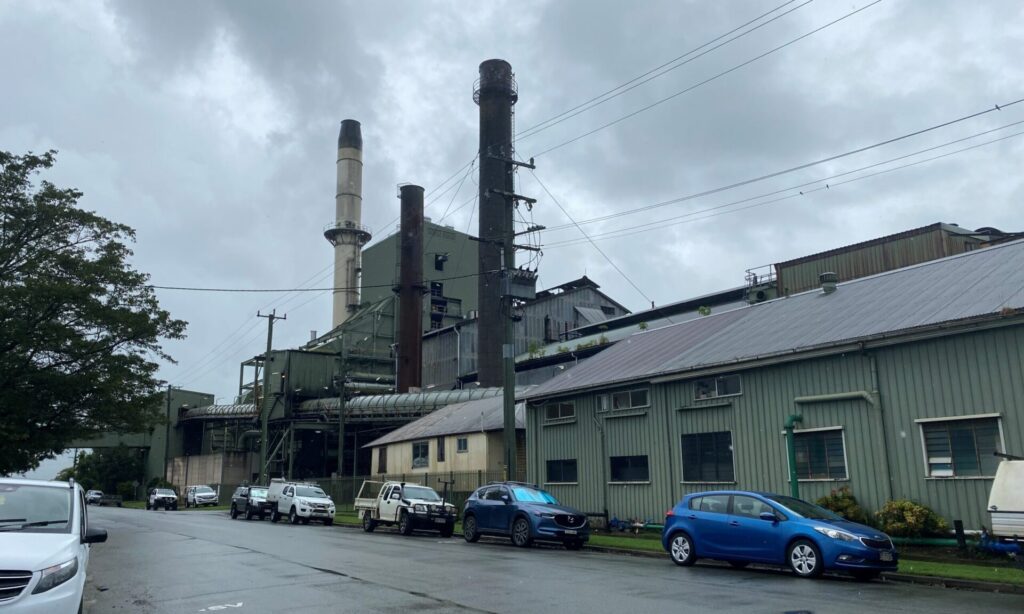
Researchers – QUT’s Associate Prof. Darryn Rackemann (above right) and Research Engineer Hakan Bakir (above left), working with Sunshine Sugar staff at Condong Mill – have investigated a way to correct sucrose losses and reduce corrosion costs with potential benefits for most sugar mills in the industry. Read the project report on page 20-21 of Cane Matters.