The work of the SRA variety development team is focused on one outcome: delivering better varieties to growers sooner.
General Manager Variety Development Dr Garry Rosewarne says that this year’s breeding program is progressing well.
“We’re cracking along at a good pace, thanks to favourable weather,” Dr Rosewarne said.
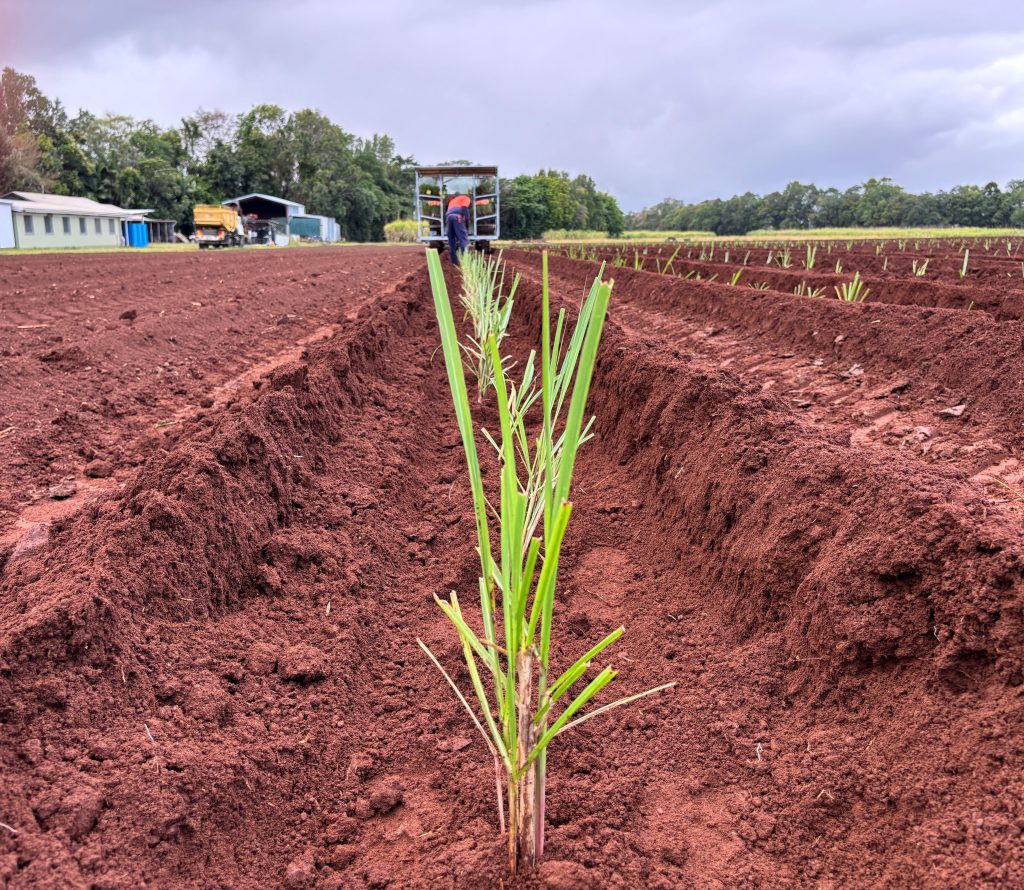
“The autumn Final Assessment Trials (FATs) are planted in Bundaberg, all main trials are planted in the Burdekin, and two Regional Variety Trials are established in the northern Tablelands – consisting of 18 clones to test adaptation in that unique region. More than 20 Final Assessment Trials in about 4,000 plots will be planted by September. This is a major effort involving 36 full time staff and at least 20 casuals.”
At the same time, staff are narrowing 100,000 new clones each year down to the few with real release potential, using appearance grading to assess traits such as plant habit, standability, tillering and disease response before clones enter costly yield trials.
Clean seed development also remains a priority, with robust RSD testing and field pathogen assessments helping ensure high-quality seed cane for the trial system.
Crossing has been completed in the field at Meringa and is now moving into the photoperiod facility, where controlled day length allows the program to produce crosses efficiently and at scale.
These facilities, first developed by SRA and now used around the world, are a key part of producing new varieties efficiently.
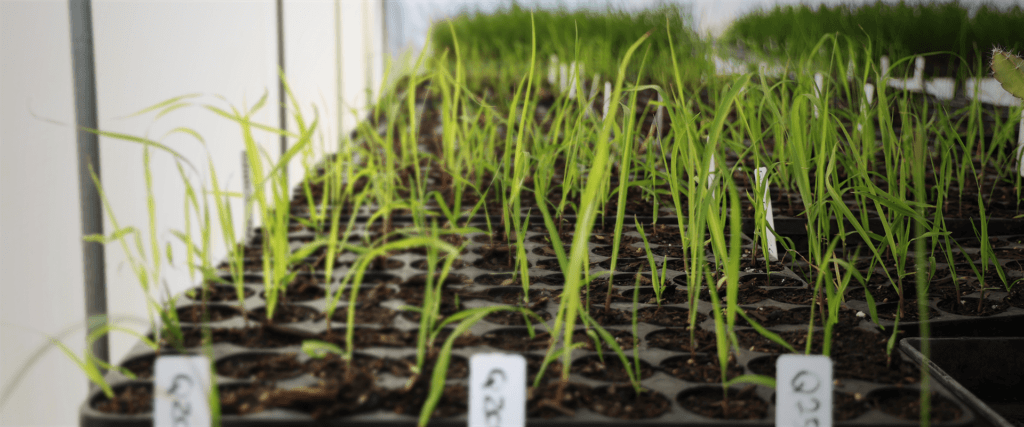
After crossing, 100,000 seedlings are being maintained across the Meringa, Burdekin and Mackay stations as they move through the pipeline.
Hundreds of clones have also been sent to the Woodford pathology site for screening against smut, Pachymetra, Fiji leaf gall and leaf scald, with more to follow through the season.
Dr Rosewarne said work led by Manager Biosecurity and Disease Screening Dr Shamsul Bhuiyan, in partnership with Biosecurity Queensland, is also progressing towards having Australia declared Fiji leaf gall free, which would be a major win for the industry.
The germ plasm interstation exchange program is also helping fast-track potential varieties across regions, giving growers earlier access to strong performers suited to multiple production areas.
For more information: Watch the webinar presented by Garry Rosewarne: SRA 5 Year Variety Development Program – Implementing cutting edge technologies to improve genetic gain
Posted: 16 June 2026