Transformational crop protection – Innovative RNAi biopesticides for management of sugarcane root feeding pests
Current crop protection strategies rely on plant genetic resistance and pesticide sprays. Toxicity both in terms of human health and the environment, lack of specificity, and the development of resistance, persistence of residues and runoff into our precious waterways are major issues with the use of chemical pesticides.
Transformative RNA based biopesticides or ‘RNA vaccines’ for plants as sustainable biological crop protection platform without the need for generic modification is gaining momentum across the globe. This involves topical application of pest specific double stranded RNA (dsRNA) as the key trigger molecule of RNA interference. On its own RNA is inherently unstable, and therefore requires optimisation to improve its performance for industry relevant applications.
The University of Queensland has developed a transformational platform of using clay particles as carriers of pest/pathogen targeting RNA which provides stability, rain-fastness, and slow and sustained release of the biological active or dsRNA to afford an extended window of protection.
Greyback canegrub is a major pest throughout Australian sugarcane growing regions and a significant constraint for about 50% of growers. Existing control measures for cane grubs are limited to imidacloprid use and there is no insecticide registered for soldier fly. The current project aims to deliver proof-of-concept for delivering RNA biopesticides as an innovative non-GM, non-toxic, ecologically safe topical application for the control of canegrubs as serious pests of sugarcane. It will involve identification of the best target genes for RNA based biopesticides for both canegrubs and soldier fly and testing the RNAi based pesticides in feeding assays/glasshouse against canegrubs.
Objectives
Expected Outputs
- A complete annotated canegrub and soldier fly transcriptome
- dsRNA constructs designed targeting critical genes of greyback canegrub
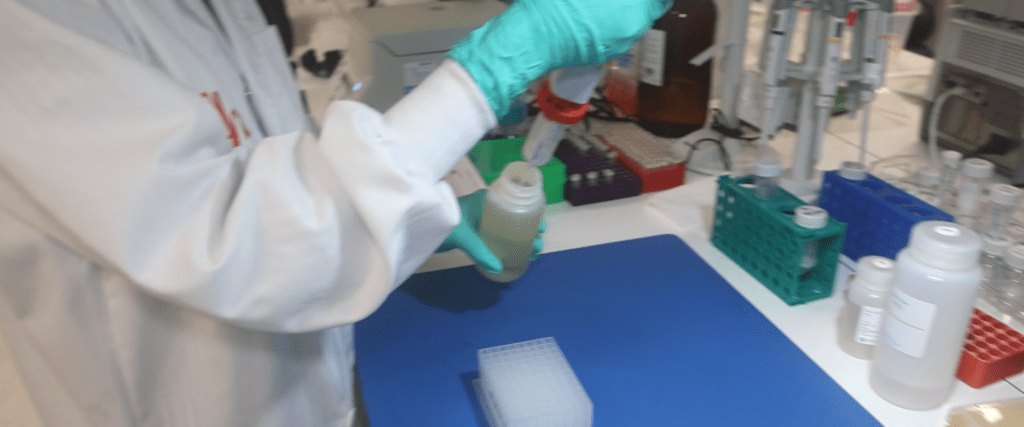
- dsRNA constructs for knockdown of gene expression and mortality of greyback canegrub in artificial feeding assays
- Mechanism of dsRNA uptake and translocation in sugarcane
- The effectiveness of BioClay/BenPol for dsRNA delivery as biopesticides in artificial feeding assays
Expected Outcomes
- Transformational alternatives to chemical pesticides
- Australian-owned, non-GM, non-toxic easy-to-adopt biopesticides developed to proof-of-concept stage for canegrubs
- Translation potential to target other pests and diseases of sugarcane
SRA PROJECT CONTACT: Dr Stephen Mudge
RESEARCH AGENCY: The University of Queensland
CHIEF INVESTIGATOR: Professor Neena Mitter
PROJECT NUMBER: 2020/008
END DATE: 30/06/2024