Progress towards variable rate N application within block – understanding crop N response
Nitrogen (N) fertiliser inputs for the majority of the Australian sugarcane industry are regulated in order to minimise off-site environmental impacts. There is on-going pressure to improve N use efficiency from an environmental but also economic perspective. Variable rate N application within block is uncommon in the sugarcane industry but may allow further refinement and advancement of the industry’s nutrient management practices. A key to implementing a variable rate N management program within block is to better understand crop responsiveness to N inputs and how this varies spatially. Simple solutions like applying more N on high yielding zones and less N on low yielding zones may not always be the most appropriate approach. The project will use N rate strips (low, standard, high) that run through variable soil conditions within block in order to better understand crop responsiveness. A combination of remote sensing, crop sampling, in-depth soil characterisation and machine learning tools will be used to explore key drivers of N response. Ultimately the projects aims to increase understanding of crop response to N across variable block conditions so that a robust approach for implementing variable rate N application can be introduced to industry.
Objectives
The project aims to improve nitrogen use efficiency by developing a robust method to implement variable rate N management within block. To do this it will:
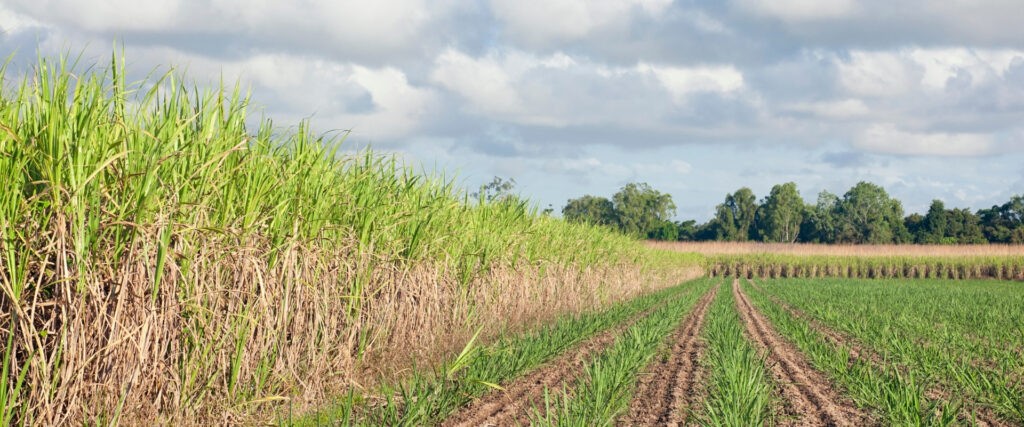
• Quantify changes in crop N responsiveness within blocks that have underlying soil/site variability.
• Characterise changes in soil traits across these variable blocks in order to interpret crop N response.
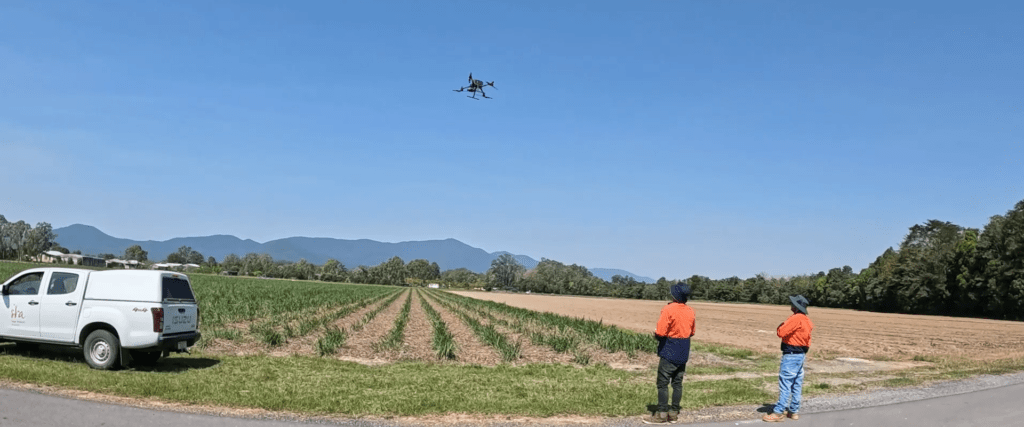
• Utilise remote sensing tools to assess crop biomass development, responsiveness to N and N uptake.
• Analyse data using a machine learning approach to explore relationship between soil traits and crop N response.
• Determine potential methodology to implement variable rate N management in sugarcane farming systems.
Expected Outputs
Knowledge:
• Understanding relationships between soil traits and crop N responsiveness
Publications:
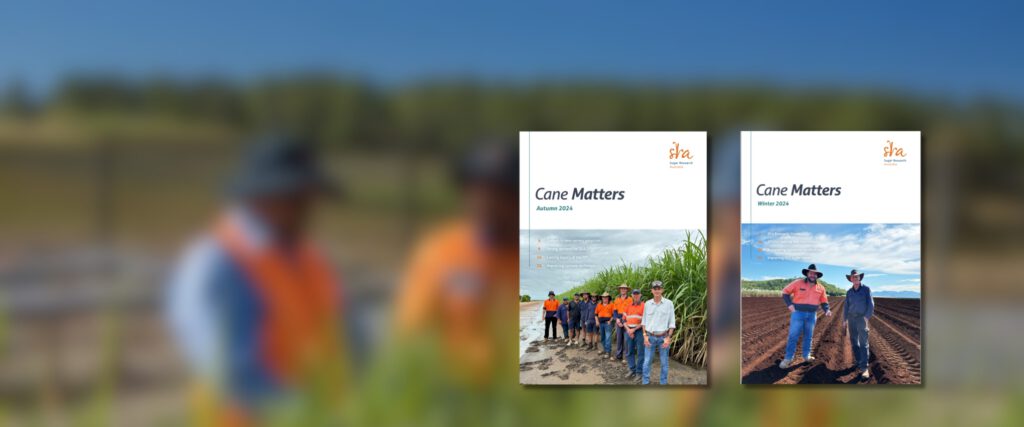
• CaneMatters and/or Farmacist newsletter articles: 2025 (project initiation); 2027 (mid project); 2029 project completion
• ASSCT paper at the 2028 conference (initial project data) and the 2030 conference (full project summary)
• Journal paper at project completion (2029)
IP:
• Relationships between soil traits and crop N responsiveness across variable sugarcane blocks
• NIR calibration functions
Tools:
• Methodology of implementing variable rate N management within block documented in the SIX EASY STEPS Toolbox
Methods:
• New approach to implementing variable rate N management within block
Training and extension events:
• Various project updates including Regional field days, Mackay shed meetings
Expected Outcomes
In the short term, the project will deliver:
• New knowledge on which variable rate N application within block could be implemented by industry.
• Better understanding of soil factors linked to crop responsiveness to N.
• Further validation of remote sensing technologies.
In the medium term, it is most likely that commercial scale demonstration of the methodology in sugarcane growing regions, through a demonstration/validation type industry project would be required in order to assist in translating the research outputs and supporting adoption. It is likely that there would also be some adoption of the methodology by early adopters and larger growers, particularly in the Mackay region where the trial work is proposed. In the medium term, it is expected that this could be in the order of 10-20% of growers. In the longer term, it is expected that variable rate N application will form part of industry best practice standards and have greater than 50% adoption. This also assumes greater awareness and requirement for more sustainable practices.
SRA PROJECT CONTACT: Dr Barry Salter
RESEARCH AGENCY: Sugar Research Australia
CHIEF INVESTIGATOR: Dr Barry Salter
PROJECT NUMBER: 2024/011
END DATE: 31/01/2029

Acknowledgements
This project is funded by Sugar Research Australia.
Co-Investigators: Dr Danielle Skocaj and Dr Heidi du Clou (SRA), Prof. Andrew Robson (UNE), Robert Sluggett (Farmacist), Dr Eric Wang
(JCU) and Prof. Bernard Schroeder (UniSQ).
Collaborators: University of New England, Farmacist, James Cook University, University of Southern Queensland.