Long-term soil health trials to assess farming system opportunities and impacts
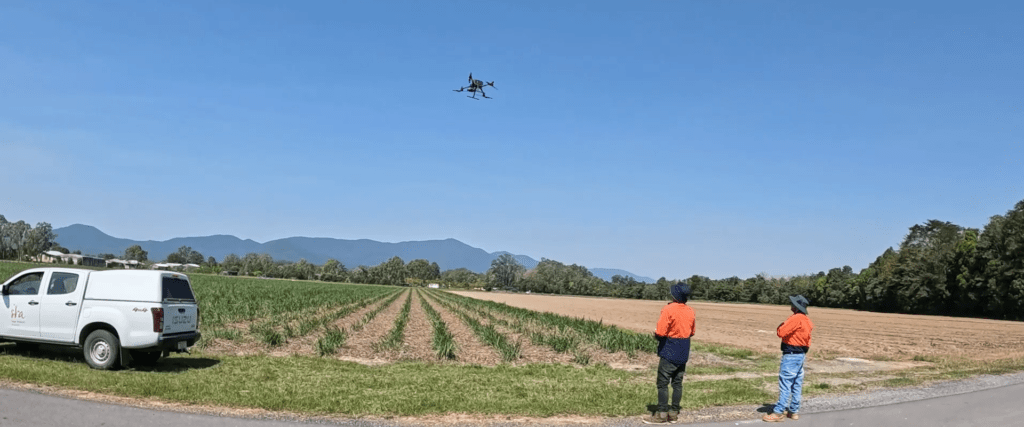
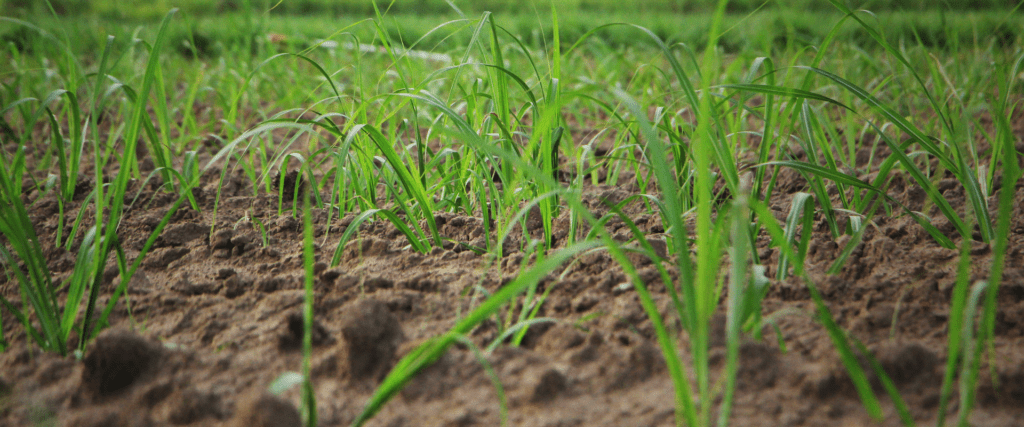
The Australian sugarcane industry is currently facing a number of related issues associated with soil and crop residue management. These include: Increasing soil carbon (C) is part of the Australian Government’s plan to achieve a target of zero nett emissions by 2050; Increasing soil C and soil health is likely to benefit productivity and resilience; Interest in the utilisation of crop biomass including crop residues following harvest for the production of green products and diversification; Biochar production from crop residues and use in soils to sequester C; and Soil C credit schemes developed for agriculture. Combined with these issues, long-term trash retention on the soil surface (GCTB) may not have increased soil C in sugarcane farming systems as initially expected (Salter, 2024). The project proposes to establish long-term trials (10+ years) in three sugarcane regions. It will explore various research directions to enhance soil health, soil C and sugarcane productivity. These include assessing options and opportunities from managing trash differently. The project will assess these farming systems and residue management practices through monitoring of soils over time, assessment of sugarcane productivity, economic analysis of practice change and modelling (APSIM) to understand potential longer-term outcomes across a wider range of environments.
Objectives
The project aims to:
- Establish long-term trial sites across sugarcane production regions to explore the effectiveness of a range of innovative management practices to improve soil capital.
- Explore novel matching of residue nutrient stoichiometry to enhance soil carbon sequestration.
- Understand impact of biochar on sugarcane soils.
- Understand the economic impact of any practice change.Utilise APSIM modelling analyse importance of the variables and predict longer term outcomes.
Expected Outputs
Scientific knowledge
• Understanding the impact of novel residue management practices on soil capital
• Understanding the impact of trash removal on industry sustainability
Publications
• Cane Matters newsletter articles: 2025 (project initiation); 2027 (mid project); 2029 project completion
• ASSCT paper at the 2028 conference (initial project data) and the 2030 conference (full project summary)
• Journal papers at project completion (2029)
Methods
• New management practices that improve long-term sugarcane soil capital identified
Training and extension events
• Various project updates including regional field days, regional shed meetings
• Grower visits to trial sites 2026 and 2027
Expected Outcomes
The following could change as a result of the project.
Short term:
• Availability of long-term trial sites as an industry resource to assess residue management practices
• Improved understanding of short-term changes in soil capital following implementation of residue treatments
• Understanding of potential long-term changes to soil capital will improve due to modelling
• Knowledge of short-term economic impact of practice change will increase
• Increase in grower engagement associated with residue and soil management
Medium term:
Assuming treatments are shown to provide economic benefits, it is likely that commercial scale demonstration of the practices in sugarcane growing regions, through a demonstration/validation type industry project, would be required in order to assist in translating the research outputs and to support adoption. It is also likely that there would be some adoption of the methodology by early adopters and larger growers, particularly in the regions where the trial work is proposed. It is expected that this could be in the order of 10-20% of growers.
RESEARCH AGENCY: Sugar Research Australia
CHIEF INVESTIGATOR: Dr Barry Salter
PROJECT NUMBER: 2024/010
END DATE: 01/01/2029

Acknowledgements
The project is funded by Sugar Research Australia.
Co-investigators:
Dr Danielle Skocaj and Julian Connellan (SRA), Assoc. Prof. Paul Nelson (JCU), Prof. Bernard Schroeder (UniSQ), Mark Poggio (QDPI) and Dr Peter Larsen (Wilmar)
Collaborators:
University of Southern Queensland, Queensland Department of Primary Industries, James Cook University, Wilmar Sugar