Development of an automated system to perform localised in-crop replanting of sugarcane gaps
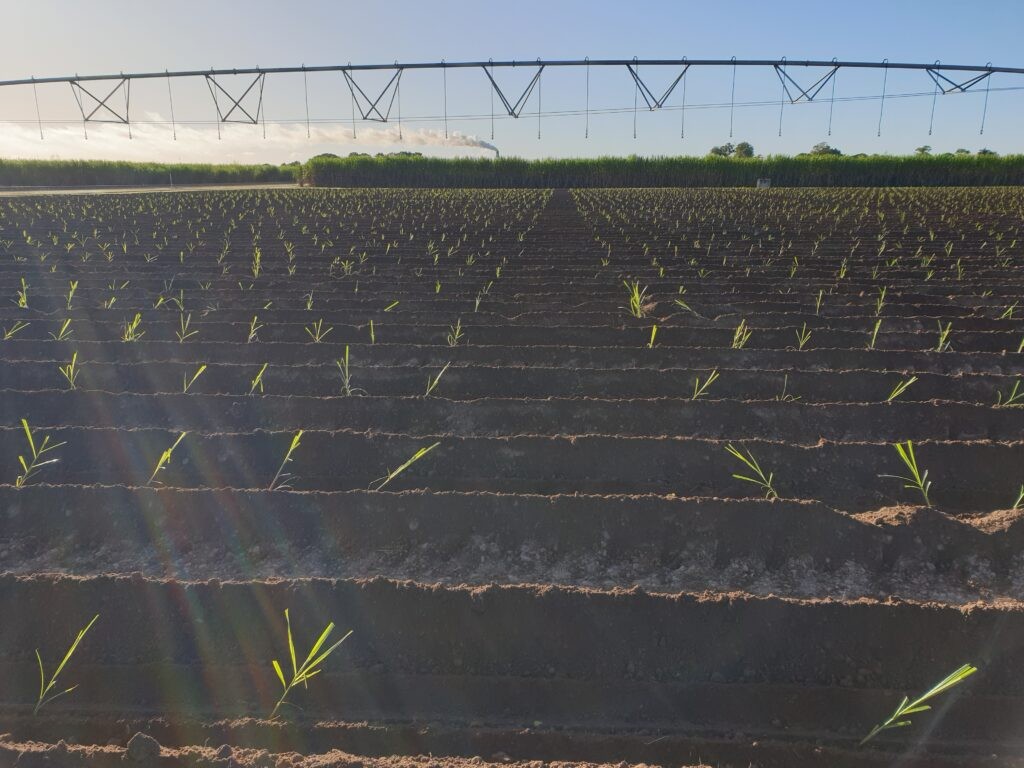
Sugarcane yield declines after the initial harvest due to compaction and the development of gaps in the crop. Typically, gaps open in the sugarcane stand for a variety of reasons, including damage to rhizomes due to poor cultural practices, lack of watering, poor drainage and pest and disease damage (Luna 2016). In Australia when these gaps spread above acceptable levels plough-out and replanting of the entire crop is routinely performed. It has been suggested that where labour costs are low and replanting gaps is performed, yield is maintained and plough-out is avoided (María Alejandra 2022, personal communication, 21 October). However, research is needed to validate this. A literature review revealed that technologies have been developed to detect gaps in the sugarcane stand. However, currently no technology exists to automate the localised replanting of these gaps. Research is needed to determine if such a system can be developed and if it is economically viable to implement. The literature also shows that compaction increases over time due to the use of heavy machinery and this compaction is usually removed by plough-out. Therefore, research is needed to understand whether compaction increases and yield decreases if plough-out is eliminated.
Objectives
Sugarcane yield declines after the initial harvest due to the development of gaps in the crop. Once these gaps spread beyond an acceptable limit, costly ploughing out and replanting of the entire crop is performed. The aim is to develop an autonomous mechanised system to conduct localised in-crop replanting of these gaps. If successful, this will improve the production efficiency of the Australian sugar industry by maintaining yield and reduce the need to plough out the entire crop. This will also reduce the environmental impact of the industry by reducing nutrient run-off as shown in other non-till farming systems.
Expected Outputs
The project is an SRA Sugar Industry Postgraduate Research Scholarship (SPRS) awarded to the researcher to undertake research of value to the sugar industry for a PhD. It aims to develop an automated system to perform localised in-crop replanting of sugarcane gaps.
The expected outputs from the projects are:
• Develop a novel software support system to guide a ground-based autonomous device to conduct localised replanting of sugarcane based on prescription maps.
• Develop a novel ground-based autonomous mechanised device to conduct localised in-crop replanting of gaps in sugarcane.
• Evaluate the developed system in a commercial field to understand yield and profitability of the system.
• Evaluate the effects of using the developed system on the health of the sugarcane stand.
• A cost-benefit analysis of adopting the proposed system
• Thesis submission
Expected Outcomes
Improve production efficiency of the Australia sugar industry by filling gaps in the plant stand and reducing the need for plough-out and replanting. The reduction of the frequency of plough-out is expected to decrease the industry’s environmental impact by reducing soil erosion and nutrient runoff as demonstrated in other no-till settings. This is especially significant given that most of the Australia’s sugarcane industry is located near the Great Barrier Reef.
SRA PROJECT CONTACT: Dr Muyiwa Olayemi
RESEARCH AGENCY: University of Southern Queensland
CHIEF INVESTIGATOR: Bruen Smith & Troy Jensen
PROJECT NUMBER: 2023/101
END DATE: 19/03/2027