A new SRA podcast is sharing how practical, paddock-level advice is helping Lower Herbert cane growers improve productivity, protect margins and reduce nitrogen losses to local waterways.
The episode explores a two-year SRA project involving 19 growers across 5,500 hectares of cane land in the Lower Herbert catchment. Through soil testing, leaf testing, SIX EASY STEPS™ nutrient management program and one-on-one agronomic support, the project helped growers identify what was holding back underperforming blocks and make informed decisions about fertiliser, pH, variety choice and broader crop health.
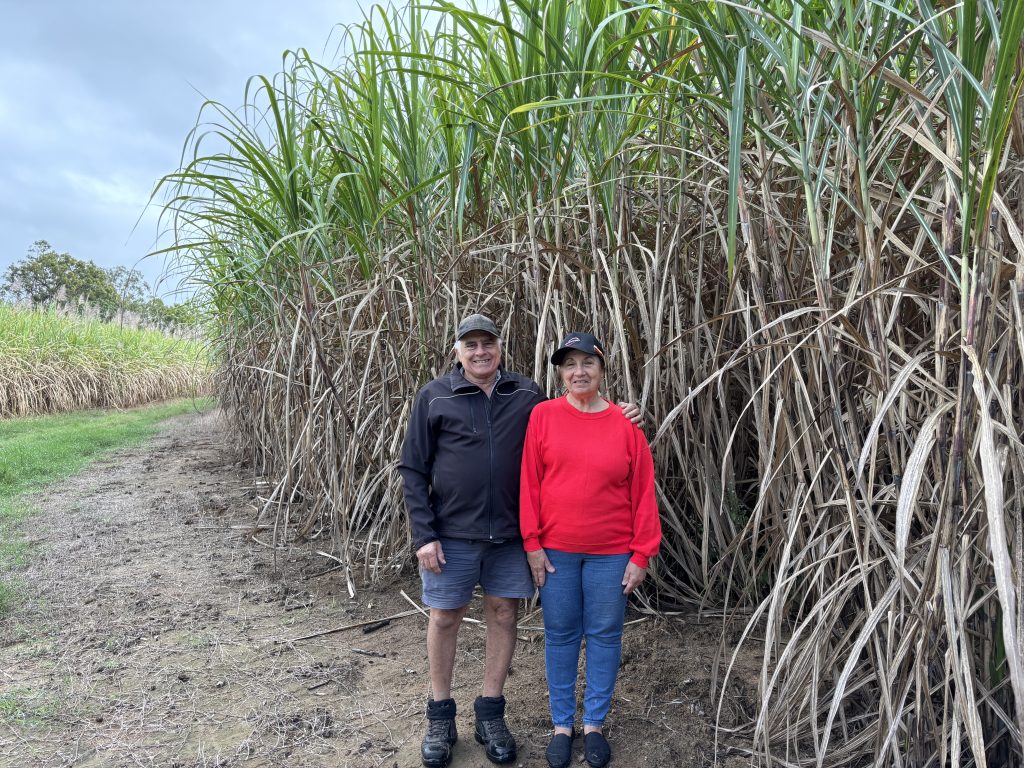
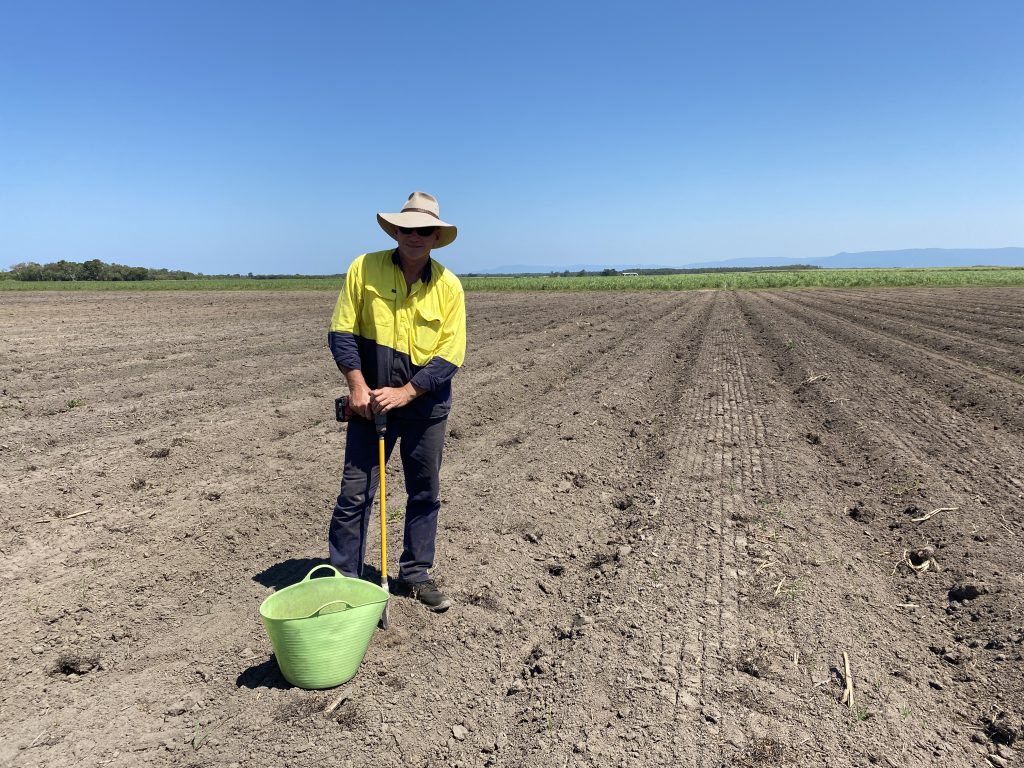
Featured in the podcast are grower, Daryl Morellini (above, pictured soil sampling on his farm) and extension agronomist with project partner Herbert Cane Productivity Services Limited (HCPSL), Bethany Donker. Bethany worked alongside SRA Agronomist Nancy Rincon to support growers to refine nutrient management, reduce nitrogen application rates by almost three percent and cut nitrogen entering waterways by more than four tonnes.
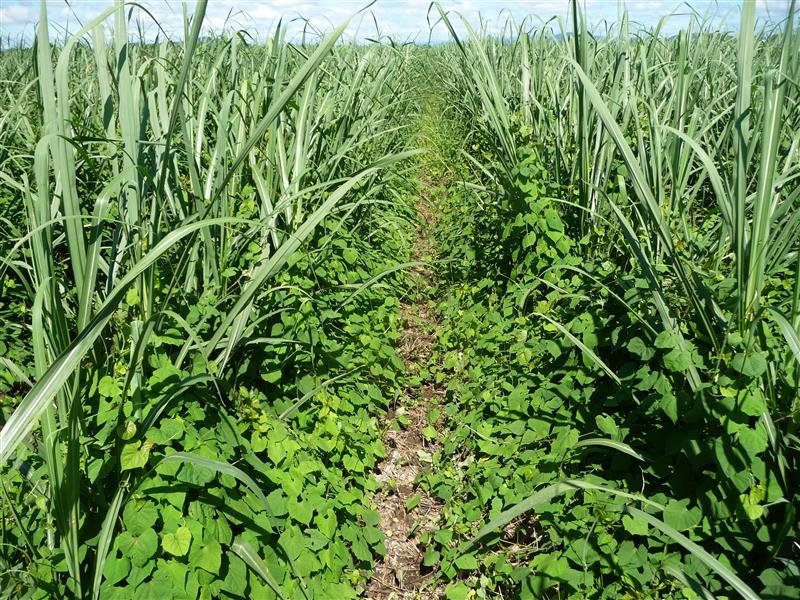
For Daryl, the project provided valuable checks and confidence in the decisions already being made on-farm. His use of legumes in the fallow, combined with soil and leaf testing, helped build a clearer picture of nutrient supply and crop demand. The podcast also covers how changes such as improved row spacing, careful variety selection and attention to soil health are supporting longer ratoon cycles, stronger yields and better weed management.
Listeners will hear how the project took a holistic approach to productivity: looking beyond fertiliser rates to consider soil type, pH, pests, disease, planting material and the seasonal challenges of farming in the Wet Tropics. It is a practical conversation about getting the fundamentals right, using data to guide decisions and building resilience in difficult seasons.
Tune in to hear Daryl and Bethany discuss the lessons from the Lower Herbert project, the value of testing and tailored advice, and why continuing to learn about soil health and crop nutrition remains essential for the future of the sugarcane industry.
Targeting balanced nutrition and productivity constraints in the Herbert was a two-year project delivered by SRA in partnership with HCPSL.
The project was funded as part of the $4.38 million Sugarcane Practice Change Program, funded through the Queensland Government’s Queensland Reef Water Quality Program.
To listen to the podcast and to view the full list visit: Cane Matters podcast