
The sugarcane soldier fly (Inopus rubriceps) is a native insect of Australia, predominantly affecting sugarcane crops from Innisfail in Queensland to Harwood in New South Wales. Another species, the yellow soldier fly (Inopus flavus), is mainly found around Proserpine, Mackay, and Plane Creek.
Identification and Life Cycle
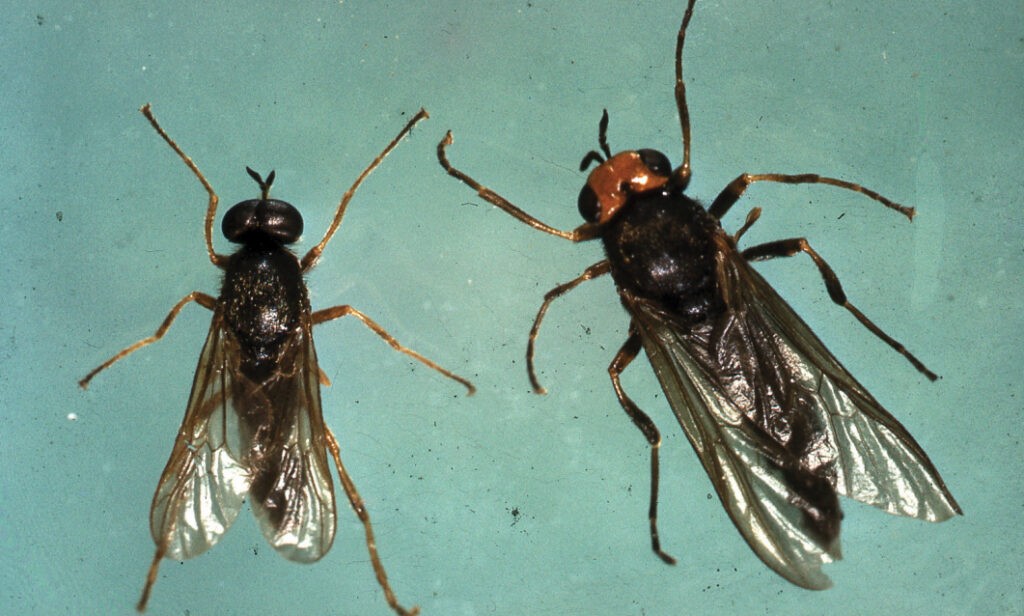
Adult I. rubriceps exhibit sexual dimorphism: females have black bodies with orange-red heads, while males are smaller with dark-brown bodies and heads.
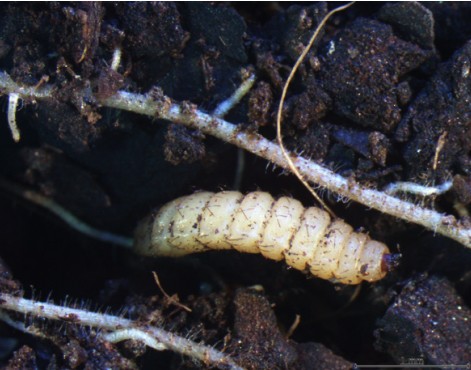
The life cycle spans one to two years, with larvae developing through multiple instars. Most larvae mature into adults within a year, but some may take two years to complete development.
Pupation occurs in the soil and lasts about three weeks before adults emerge, typically between March and July, depending on regional climatic conditions.
Impact on Sugarcane
Larvae feed on sugarcane roots, leading to poor plant growth and weak ratooning post-harvest. This damage results in stunted growth and reduced yields. Historically, infestations have affected between 1.1% and 1.7% of harvested areas in regions like Bundaberg and Mackay. However, these figures may underestimate the true extent due to limited survey data.
Management Strategies
Effective management includes:
- Monitoring: Regular field inspections for early detection of larvae, especially from September onwards when they are more visible.
- Cultural Practices: Implementing crop rotation and selecting resistant sugarcane varieties can reduce infestation levels.
- Chemical Control: The withdrawal of dieldrin in 1991 left a gap in chemical control options. Research into controlled-release insecticides like chlorpyrifos and phorate has shown limited success, indicating a need for alternative solutions.
- Biological Control: Exploring natural predators and pathogens of I. rubriceps could offer sustainable control methods.
Research and Development
Ongoing research aims to develop integrated pest management strategies, including:
- Artificial Rearing: Developing in vitro rearing methods using artificial diets to study larval nutrition and facilitate rapid screening of pesticides.
- Species Distribution: Characterizing the geographical distribution of Inopus species to inform targeted control measures.
Understanding the biology and behavior of the sugarcane soldier fly is crucial for developing effective control measures to protect Australia’s sugarcane industry from this endemic pest.
INFORMATION SHEETS