
The Queensland sugarcane industry faces significant challenges from feral pigs and rodents, both of which cause substantial economic losses and environmental damage.
Impact of Feral Pigs on Sugarcane
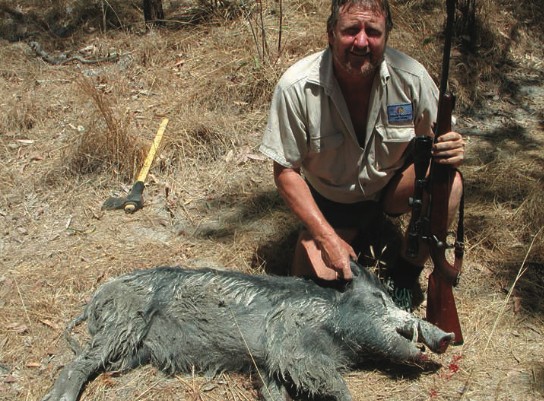
Feral pigs are among Queensland’s most widespread and damaging pest animals. They degrade soil and water, damage crops and livestock, and carry diseases. In the sugarcane industry, feral pigs cause losses of an estimated 20,000 tonnes of sugarcane each year.
Impact of Rodents on Sugarcane
Rodent damage to sugarcane has been a concern since the 1930s. Annual surveys indicate that rodents affect approximately 50% (150,000 hectares) of sugar-producing areas, resulting in annual losses between $2 million and $4 million. Additionally, around $600,000 is spent annually on rodent control measures.

Management Strategies
To mitigate these impacts, integrated pest management strategies are employed:
- Feral Pig Control: The Queensland Feral Pest Initiative supports feral pig management projects, including aerial shooting, baiting, trapping, and ground shooting. Collaborative efforts among landholders, government agencies, and industry groups aim to reduce feral pig populations and their associated damage.
- Rodent Control: Management includes habitat modification, baiting, and trapping. Regular monitoring and community engagement are crucial for effective rodent control in sugarcane fields.
Economic and Environmental Considerations
Effective pest management not only reduces economic losses but also protects the environment. Feral pigs contribute to the spread of invasive plants, degrade natural habitats, and prey on native species. Rodents can also affect biodiversity by preying on native flora and fauna.
In conclusion, addressing the challenges posed by feral pigs and rodents is vital for the sustainability of Queensland’s sugarcane industry. Ongoing research, community involvement, and coordinated management efforts are essential to mitigate these pests’ impacts.