
Welcome to the Toolbox of Sugar Research Australia’s Soil Health Program
Soil health is vital for optimising productivity, profitability, and sustainability. This site provides practical resources and grower experiences to help you make informed soil health decisions, with consideration for location, your current and potential farming system and economic outcomes.
It also provides insight into the research and technology development efforts that are underway to support future decisions.
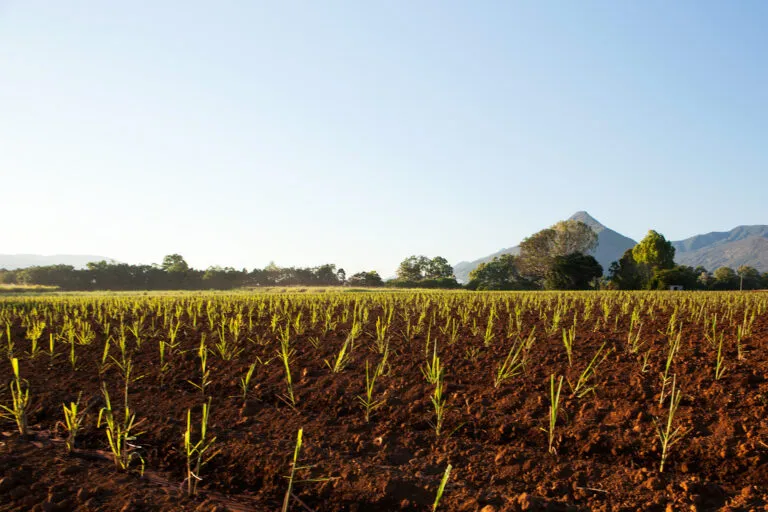
The Soil Health Program concentrates research to adoption efforts on balancing the three key elements of a healthy soil:
- Soil biology. This is the living element of your soil – organisms, microbes and the root system. It is important for breaking-down organic matter to cycle and supply nutrients, helps in keeping a good soil structure and minimise some pests and diseases.
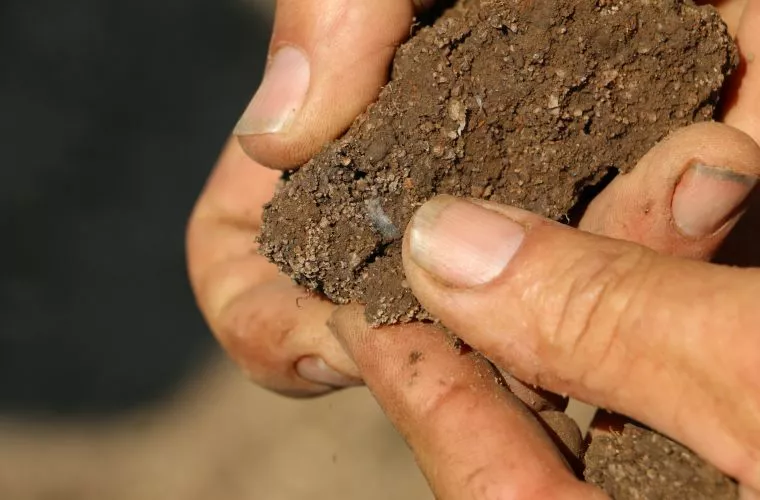
- Soil structure. This is the physical element of your soil. A soil which has good tilth and friability helps provide aeration, water infiltration, moisture management (especially irrigation) and nutrient cycling and supply. It minimises pests and diseases, reduces surface run-off into catchments and provides for greater resilience in extreme weather.
- Soil chemistry. This is the nutritional element of your soil, including Nitrogen (N). Soil chemistry is important because the crop needs certain nutrients, at a certain rate, at a certain time of development. The most cost effective way to supply these nutrients and have them available at the right time is through natural soil processes as much as possible. Soil pH plays an important role in supporting nutrient availability and can be a major constraint in sugarcane soils. The most expensive and labour intensive supply of nutrient is through applied fertiliser. A healthy soil is much more likely to have an active biology community and structure to meet crop demand and minimise losses to waterways and the atmosphere. Measurement is important so that fertiliser precision can be used. The SIX EASY STEPS Guidelines are the industry’s best management practice tool for managing your soil chemistry.
The Soil Health Program is delivering projects under three key themes to improve the soil health condition of our sugarcane regions and demonstrate industry performance in reducing impact – Partnerships for research to adoption connectivity; Building the soil resource; Tools, measurement and analyses.
Building the Soil Resource
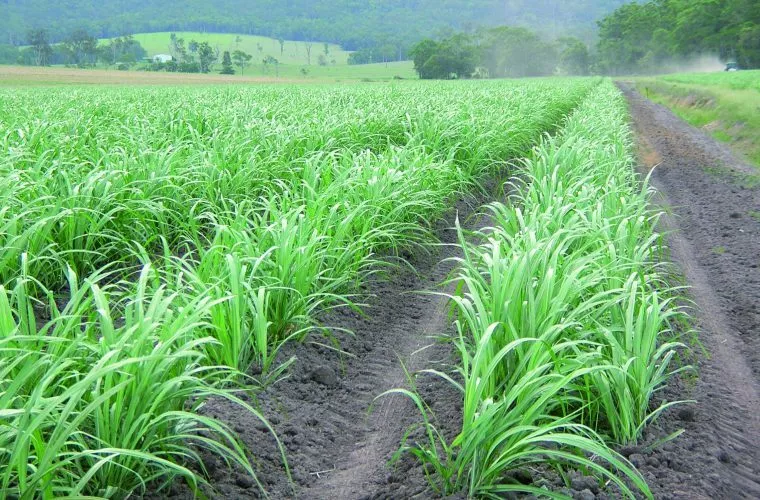
Addressing ways to improve the health of sugarcane soils by tackling constraints to biology, structure and chemistry is vital. The Soil Health Program is assisting growers and service providers to understand localised production and profit constraints which can be addressed by improved soil health and the most effective and cost efficient management strategies to make this happen in the field.
The research effort is consolidating and refining past work, and also exploring new innovations and working collaboratively with other cropping industries to reduce duplication of effort. At the same time, research is also delivering information relevant to specific regional and sub-regional issues.
NOTE – Information provided may relate to a specific sugarcane growing region, however much of it can be customised for all growing areas. Please contact your local extension officer if you would like to clarify.
Soil Network of Knowledge webinars
Join the Soils Network of Knowledge webinars published on YouTube by NSW DPI Agriculture. Over 26 videos featuring leading Australian experts talking about various aspects of soil health.

Tools, measurement and analyses
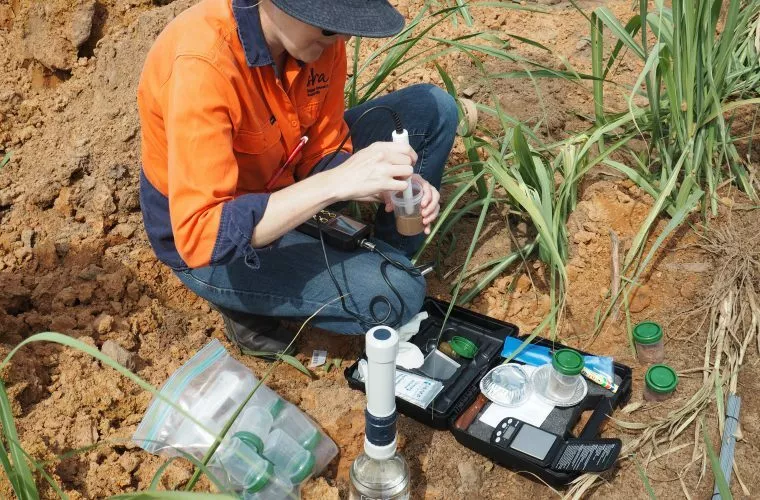
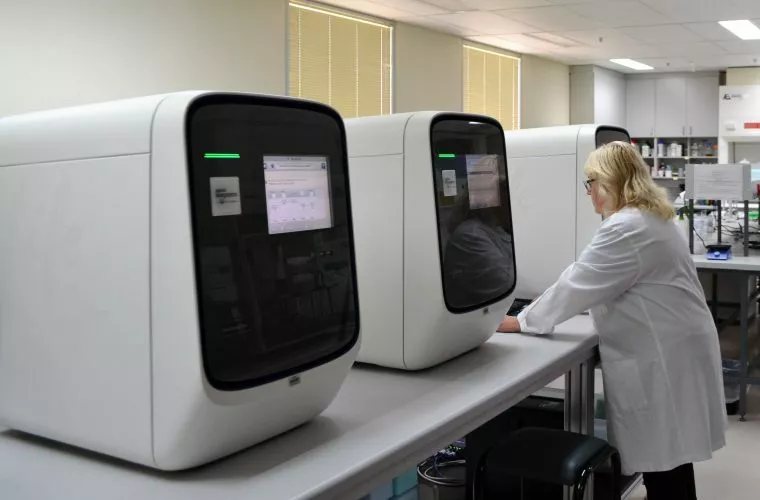
The Soil Health Program is supporting research-to-adoption efforts that allow growers and farm advisors to measure and evaluate the impact of different scenarios, make more informed decisions and do this as easily as possible.
The Soil Health Program is also addressing industry need to respond to increasing obligations to demonstrate sustainable production.
FEAT Online is a free tool developed to assist Australian sugarcane growers with measuring farm profitability and planning. The tool streamlines data entry, makes it easier to assess multiple scenarios, and is accessible through phones, tablets or computers. It has been developed by Queensland Department of Agriculture and Fisheries.