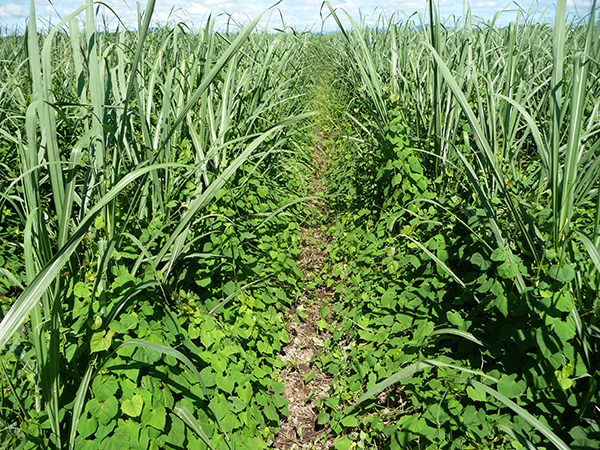
Phosphorus (P) fertiliser is an expensive but important input in sugarcane farming systems as, among other things, it promotes early root formation and the development of a strong and vigorous root system.
The BSES P soil test is typically used in the industry to determine P availability in the soil and has been found to be well suited to acidic soils.
However, it may overestimate plant available P in alkaline soils, which are common in the Burdekin region.
Other soils tests, such as the Colwell P test may provide a better estimate.
The project Understanding phosphorus requirements for sugarcane crops growing in alkaline soils was established to discover the facts.
The project is managed by SRA’s Principal Agronomist Dr Danielle Skocaj, and is conducted in collaboration with the Burdekin Productivity Services.
The aim of the project is to improve P fertiliser recommendations within the SIX EASY STEPS® nutrient management program, ensuring crops on alkaline soils receive robust P recommendations for optimum productivity and profitability.
The project has made good progress in the past six months.
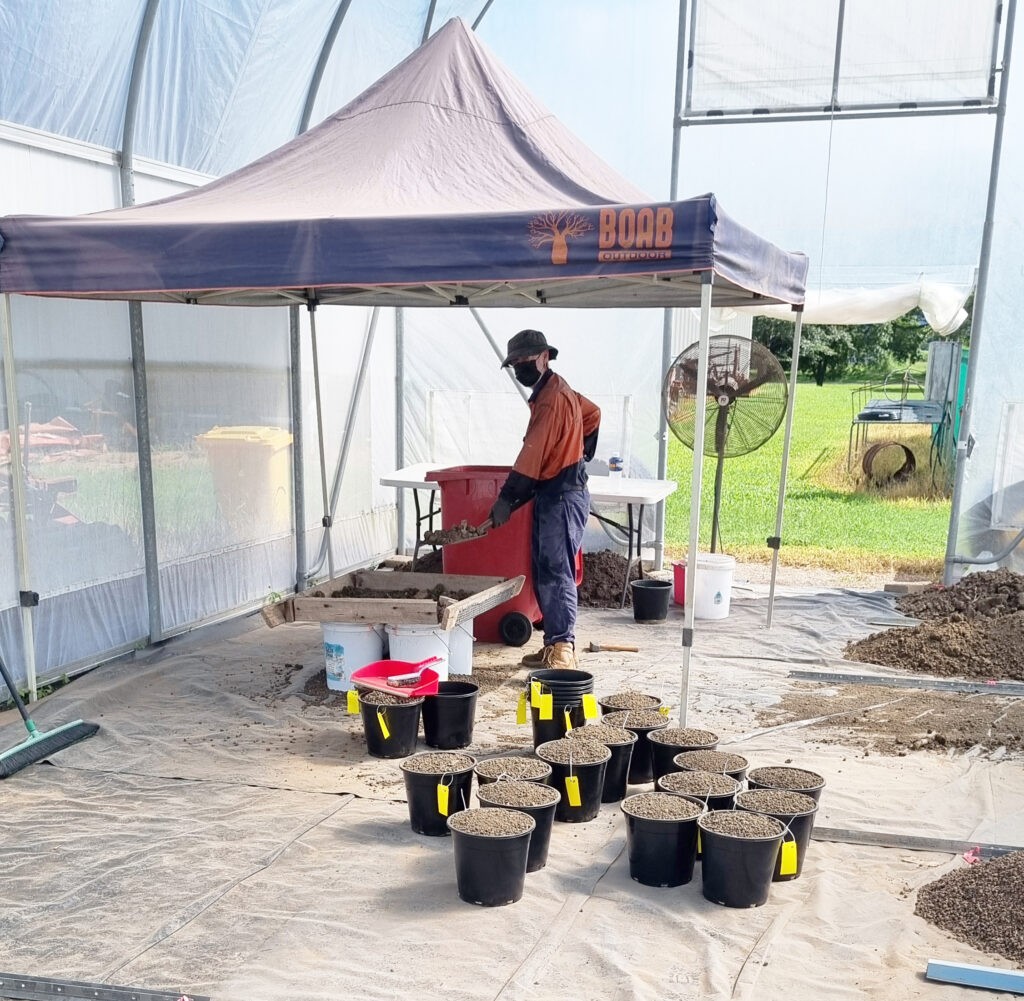
Fourteen different soil types were collected from the Burdekin to establish two pot trials.
This was a great effort as major flooding in February led to the previously collected soils being inundated in storage, so that more soils had to be collected and reanalysed by the project team.
The variety Q240 was planted into half of the pots with four different P fertiliser rates. As a control, the other half were also fertilised at the different P rates without sugarcane. These pot trials are being used to understand phosphorus availability and uptake across a wide range of soil conditions and to assess various soil P analytical methods.
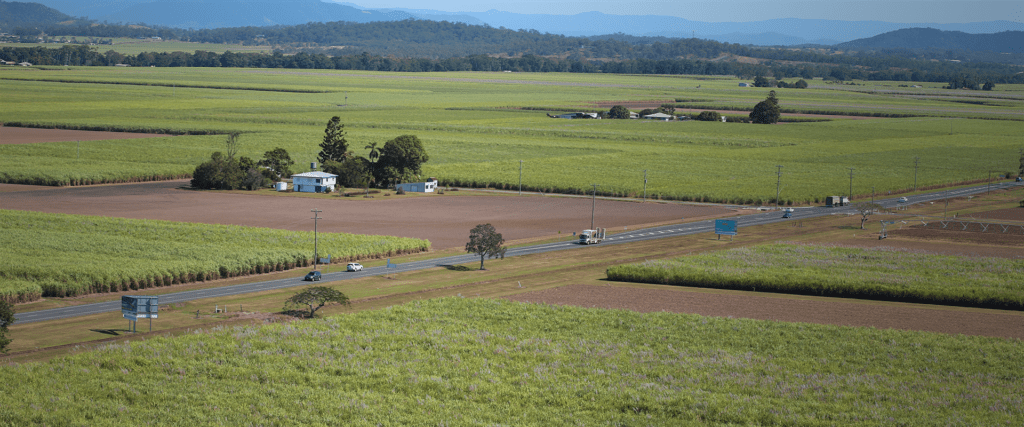
Three field experiments have also been established in the Burdekin region.
This includes two plant crops that were fertilised with four P rates at planting, and one second ratoon crop that has received the P fertiliser treatments at planting and on the first and second ratoon crops.
Soil P was assessed at each site using the BSES P, Colwell P, and two other methods to find which does the best assessment of plant available P in the soil.
Crops at all field sites were assessed at three, six and nine months after planting/harvesting, which has provided an understanding of crop growth and P uptake over time.
All crops will be harvested in the coming months and treatments re-established in the following ratoons.
In meetings with six growers run by District Manager Burdekin, Terry Granshaw, half of the participants believed that applying more P fertiliser would increase yield. The other half were more interested in whether a yield improvement would occur when applying all phosphorus up front compared to applying it yearly.
Growers expressed their appreciation of the work that has gone into the trials to date and the collaboration between SRA and Burdekin Productivity Services in the project. They were interested in reading the outcomes when these become available at the conclusion of the project in December 2027.