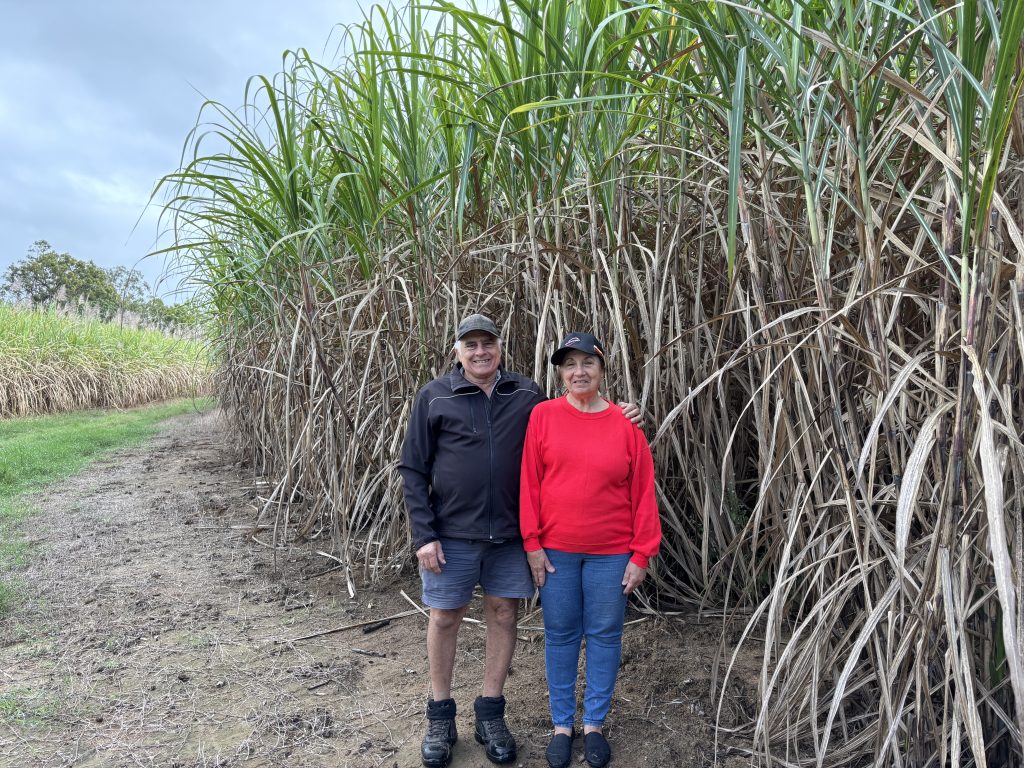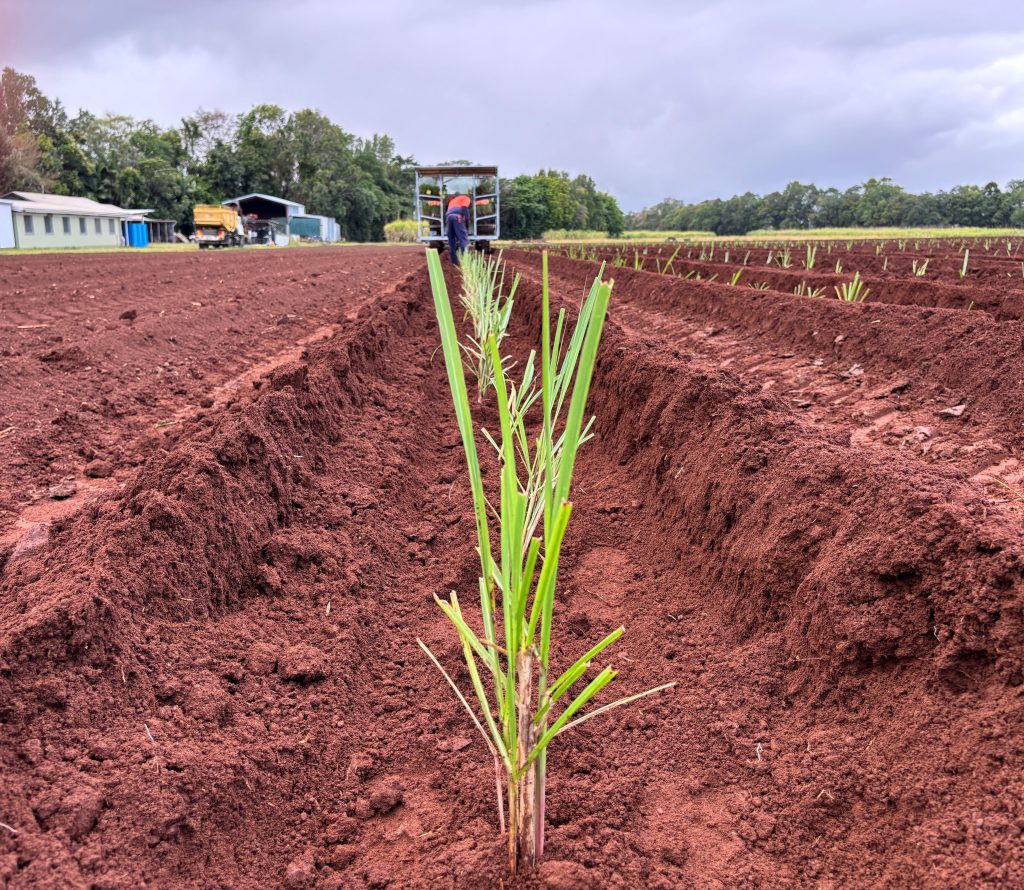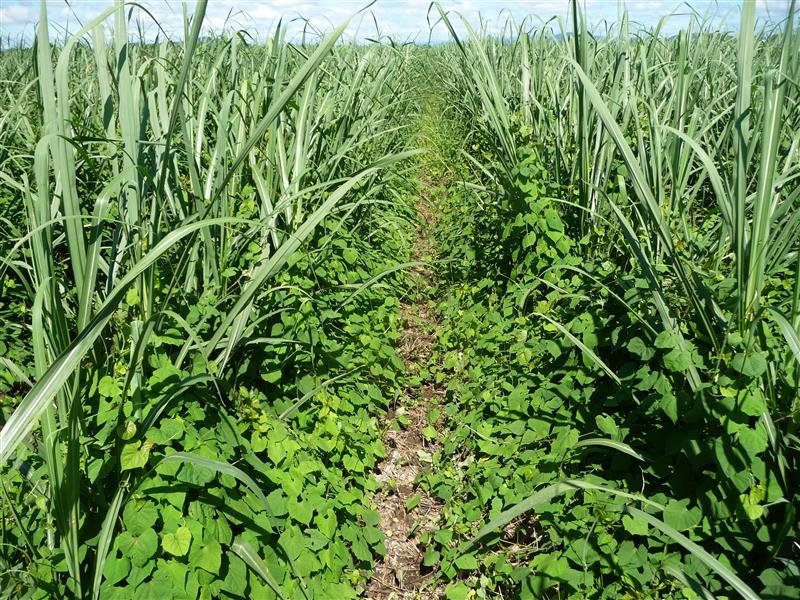
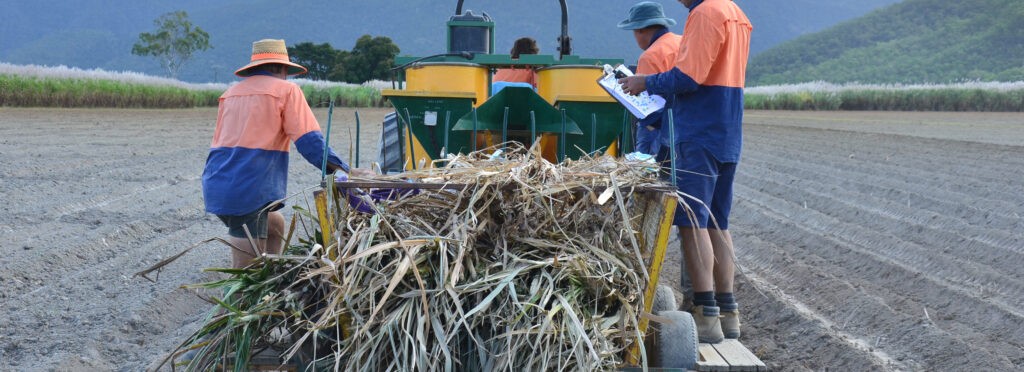
(Above): The SmutBuster sugarcane program was initiated in 2008, funded by SRDC (now Sugar Research Australia) as part of the response to the threat of smut disease in Queensland. The program aimed to accelerate the release of high-yielding, smut-resistant sugarcane varieties.
Next year it will be 20 years since sugarcane smut (Sporisorium scitamineum) was detected on the east coast of Australia, near Childers, Queensland.
This virulent fungal disease, with its black whip-like structures filled with millions of airborne spores, resembles a contagion from a horror film.
Easily spread by wind and machinery, it caused widespread anxiety among cane growers as it rapidly infiltrated major sugarcane regions in Queensland and New South Wales from 2006 onwards.
Early recognition and strategic planning
Australian scientists had identified smut as a high-risk exotic disease as early as 1997. In that year, researchers, in collaboration with Indonesian counterparts, initiated the first screening trials to assess the resistance of Australian sugarcane varieties to smut. Simultaneously, a contingency plan was developed by scientists at the Bureau of Sugar Experiment Stations (BSES) in partnership with industry stakeholders.
Pre-incursion action and breeding strategy
When the first domestic detection took place in 1998 in the Ord River Irrigation Area of Western Australia efforts rapidly intensified. A second screening trial was launched in collaboration with CSIRO and the WA Department of Agriculture. These trials revealed that approximately 70% of tested Australian clones were susceptible to smut.
Armed with this data, a pre-incursion breeding strategy was implemented. The goal was to ensure that at least 50% of crosses in the BSES-CSIRO variety improvement program had intermediate or resistant ratings. A photoperiod facility at Meringa was dedicated to smut-resistant breeding to increase capacity.
By 2006, just before the east coast incursion, only 10% of new crosses were susceptible to the disease. The breeding program had successfully shifted from 0.4% resistant crosses in 2000 to more than 50% by 2007- transforming the genetic landscape of Australian sugarcane.
Post-incursion action and breeding strategy
In 2008, the SmutBuster program was launched as part of the BSES-CSIRO variety improvement initiative. Launched by the BSES-CSIRO team, the program aimed to recover productive traits from high-value but smut susceptible parents in order to develop new high-yielding, smut-resistant varieties – combining resilience with performance.
Industry mobilisation
The industry responded to these developments quickly. Resistant varieties were promptly adopted, while susceptible ones were proactively removed. This decreased the production and spread of inoculum in the environment which slowed the progress of the disease’s spread.
Current status and impact
Thanks to strategic research, development, and educational programs, the proportion of smut-resistant clones in Australia rose from less than 10% in 2004 to more than 50% by 2023. Today, fewer than 10% of Australian sugarcane varieties are susceptible to smut.
- Annual savings: reduced losses and improved productivity are estimated to be worth $100 million to the industry.
- Avoided losses: More than $200 million in direct losses were prevented by early adoption of resistant varieties. A two-year delay could have had catastrophic consequences.
The development of new sugarcane varieties has been pivotal in maintaining the profitability and sustainability of the Australian sugar industry. These varieties have played a critical role in mitigating the impact of major disease outbreaks, including:
- sugarcane smut (2006)
- orange rust (2000)
- brown rust (1978), and
- Fiji leaf gall (1969).
Without the availability of disease-resistant varieties, these incursions could have had catastrophic consequences.
The sugarcane smut response is a landmark example of proactive biosecurity, scientific foresight, and industry collaboration. Through early recognition, strategic breeding, and decisive action, Australia not only averted a potential catastrophe but also strengthened the sugar industry’s resilience for the future.
Join us for the next SRA webinar: Understanding and Improving Genetic Resistance of Sugarcane to Orange Rust